
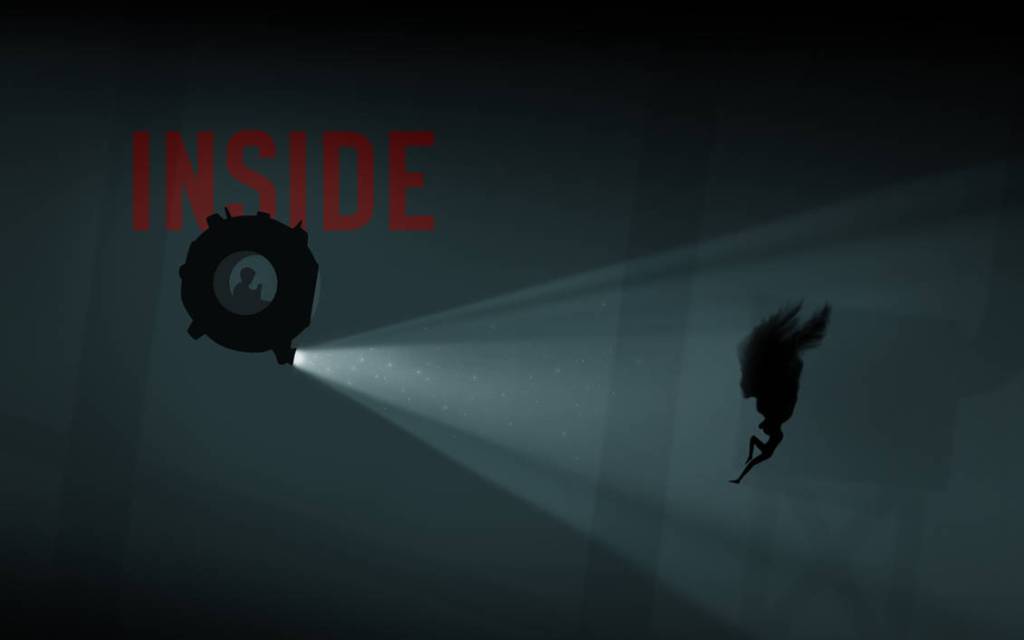

To celebrate the second issue of SLIDING, let’s take a look at one of the most prolific figures in horror media: the gothic child. Dive into what that means and check out how the video games on this list flip the usual narrative from the evil child to the one who must survive.
I want to introduce you to one of the most prolific figures in horror media: the Gothic Child.
Horror has long relied on unsettling portrayals of children, not as innocent beings but as figures of fear. Think of how often horror films feature children as central threats: sometimes as vessels for evil forces, sometimes as purely, innately malevolent beings. Classic examples include The Exorcist (1973), The Omen (1976), Children of the Corn (1984), and The Ring (1998).
But this figure stands in tension with other ingrained cultural ideas about childhood. For centuries, Western thought has imagined children through a Rousseauian lens – as innocent blank canvases to be nurtured – or through a Judeo-Christian one – as moral exemplars: “become like little children to enter the kingdom of heaven.” The Gothic child is powerful precisely because it unsettles these expectations. It is the child who embodies adult fears, who destabilizes the security of the family and the home.
Scholar Bruhm points in his article Nightmare on Sesame Street (2006) to a specific historical shift that has helped shape how we think of everyday domestic life and safety and link it with children’s vulnerability. According to him, a shift happened after the end of World War II where North American and British culture became fixated on representing children as carriers of both adult hopes and anxieties and began framing the home as a moral showcase. Gothic media responded by turning this domestic weight inside out: the home became a stage for horror, and the child became the figure through which those fears played out. This shift eventually gave rise to the media trope of the gothic child.
That narrative is what I want to explore and complicate. Every Halloween, with its seasonal frights, consumer rituals, and horror marathons, the Gothic child returns to our screens—still destabilizing adult worlds. But in contemporary horror video games, something different is happening. Instead of children serving as frightening intruders, these games imagine children as protagonists who must survive the adult world: violent, grotesque, dystopian, being that the center of the child horror.
Just a heads up: some of these games contain heavy themes and graphic imagery, so consider this your content warning.
1. The Binding of Isaac (2011, Edmund McMillen / Florian Himsl)
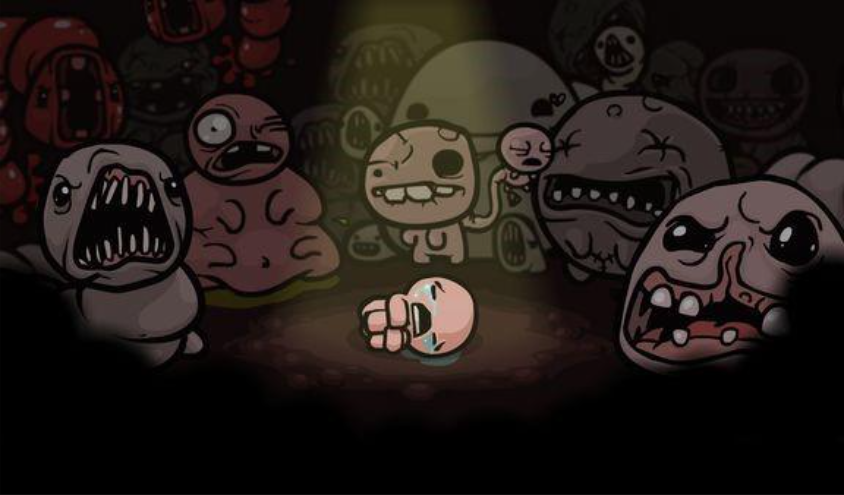
This rogue like classic throws players into the nightmare of Isaac, a small boy fleeing his mother after she receives a divine command to sacrifice him. What follows is a grotesque journey through randomly generated dungeons filled with body horror, biblical symbolism, and A LOT of dark humour. The game’s childish aesthetic collides with its disturbing themes.
2. Fran Bow (2015, Killmonday Games)
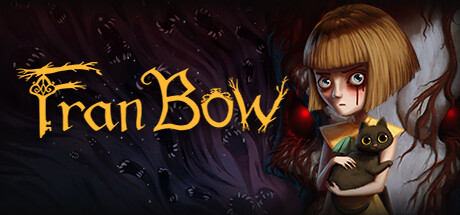
Fran Bow is a point-and-click horror adventure that blends innocence with psychological terror. Players follow Fran, a young girl coping with trauma, mental illness, and a cruel fate after witnessing her parents’ violent deaths. While the game sprinkles moments of wonder and curiosity, it doesn’t shy away from exploring self-harm, body horror, and other difficult themes. It’s not for the faint of heart, for which discretion is strongly advised.
3. Little Misfortune (2019, Killmonday Games)
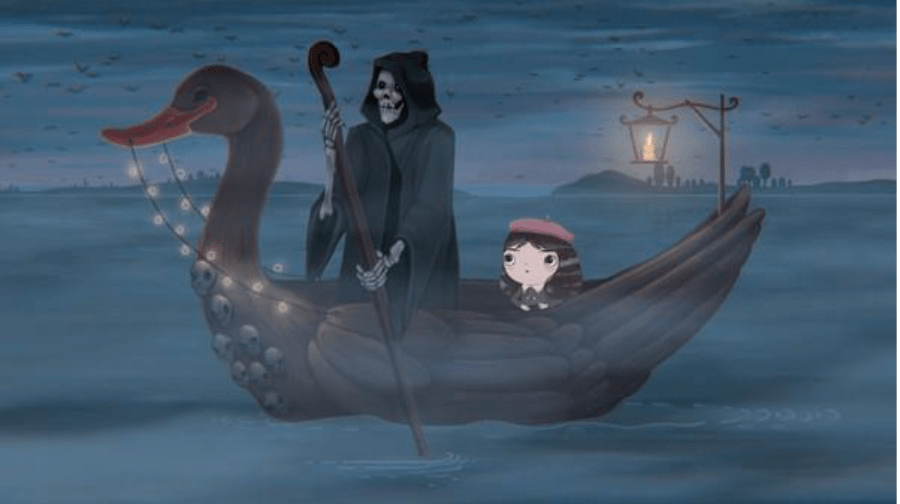
Set in the same universe as Fran Bow, Little Misfortune follows Misfortune Ramírez Hernández, an imaginative 8-year-old girl on a quest to bring the “Eternal Happiness” prize to her mother. Guided, or manipulated, by her mysterious companion, Mr. Voice, she ventures into the woods where charm, humour, and morbidity intertwine
4. Inside (2016, Playdead)
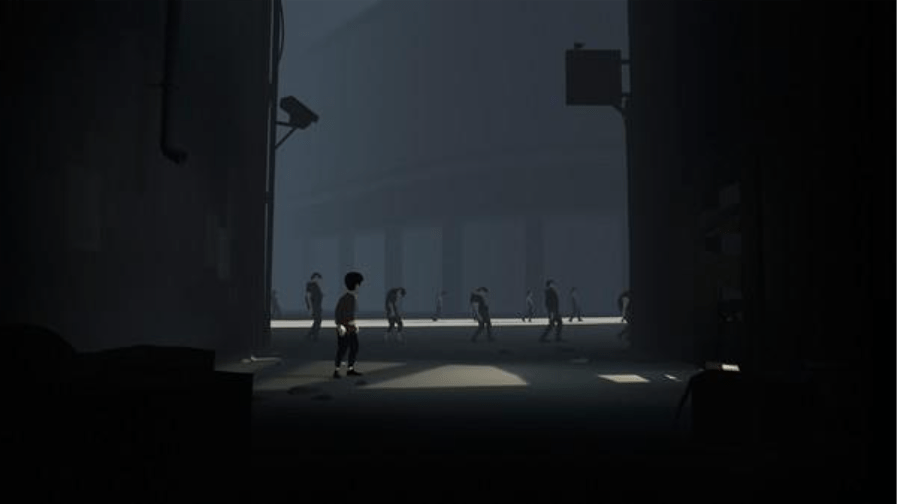
From the creators of Limbo, Inside is a puzzle-platformer that pushes the horror of childhood vulnerability into dystopian extremes. You play as a nameless boy sneaking through shadowy forests, dark factories, and unsettling laboratories, always pursued, always endangered. With no dialogue and minimal exposition, the game relies heavily on atmosphere, animation, and sound design to tell a haunting story about control, experimentation, and survival. Critics have praised it as one of the most visually and emotionally powerful indie games of the decade.
5. Among the Sleep (2014, Krillbite Studio)
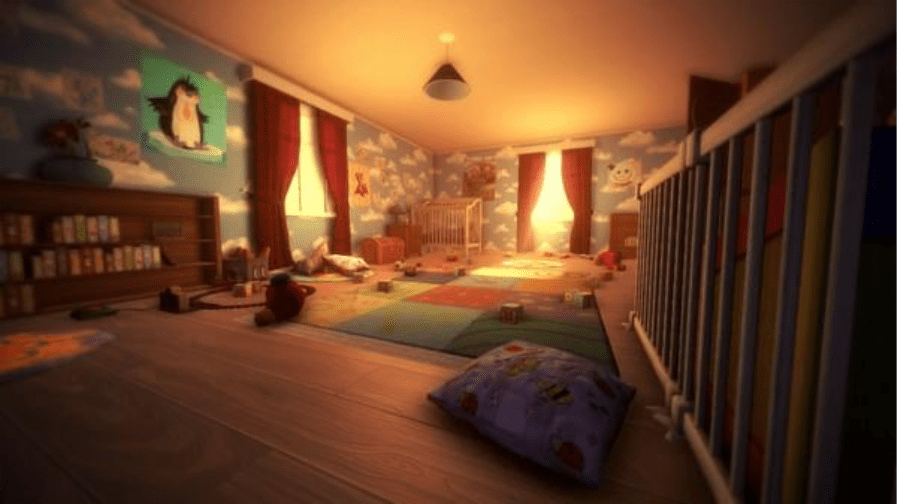
This first-person horror adventure literally puts you in the shoes of a toddler. Armed with nothing but your stuffed animal companion, you crawl through a surreal and nightmarish world in search of your mother. Everyday domestic spaces such as hallways and closets, are twisted into eerie landscapes, emphasizing how terrifying the world can feel from a child’s perspective.
Bibliography
- Bruhm, S. (2006). Nightmare on Sesame Street: Or, the self-possessed child. Gothic Studies, 8(2), 98–114. https://doi.org/10.7227/GS.8.2.7
 SLIDING MAGAZINE
Leave a comment