SLIDING
A digital magazine for children’s literature, media and culture-related content from a
critical, democratic and inclusive perspective.




#agency #childrensliterature #issues #sliding04 #tools
Welcome to SLIDING! We invite you to join us in the wondrous, diverse, and everchanging world of children’s literature, children’s media, and all things childoriented.
Latest Issue
This month, we will jump into the rhythms, dance moves and worldwide experiences created around music. Jump in and check the articles in this issue. Who knows? Maybe you might discover a new favourite in here!
Highlights from the issue
-
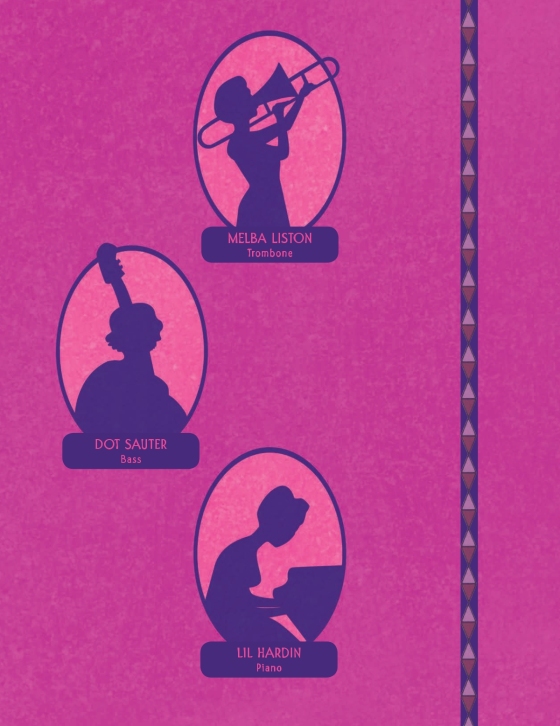
Read Aloud: Mama Mable’s All-Gal Big Band Jazz Extravaganza!
“Did you hear? Mama Mable’s band is coming to town!” – If you are curious to learn more about her, come listen to this read-aloud of Annie Sieg’s joyful picturebook Mama Mable’s All-Gal Big Band Jazz Extravaganza! (2019).
-

Family raves: the evolution of EDM parties
The words “raves” and “children” are not usually used in the same sentence. However, the concept of “Family Raves”, or “Baby Raves” has changed that by building a considerable fanbase with its high-intensity techno music, often enjoyed in colourful, playful parties for young ones.
-
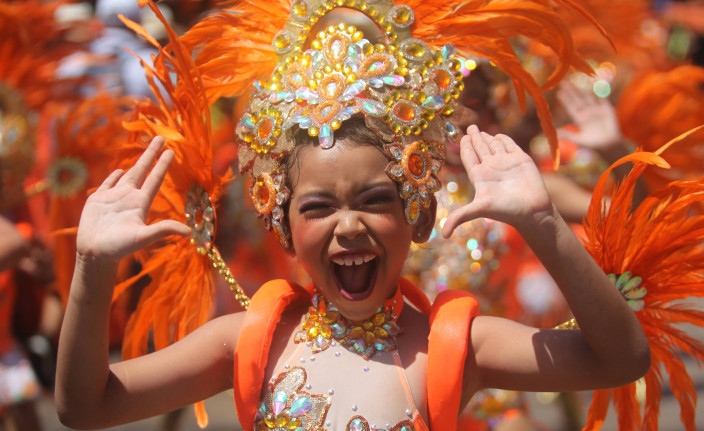
When Childhood Has a Rhythm: Music in Latin-America and the Caribbean
Children are not exempt from experiencing music as something lived and felt, after all, why would such a universal human experience bypass them? What interests me most is how that experience varies across cultures, and how children around the world learn and are socialized through music. In this article, I explore how music is experienced in Latin America and invite…
Highlights from the previous issue: Sliding into Biographical Media
-
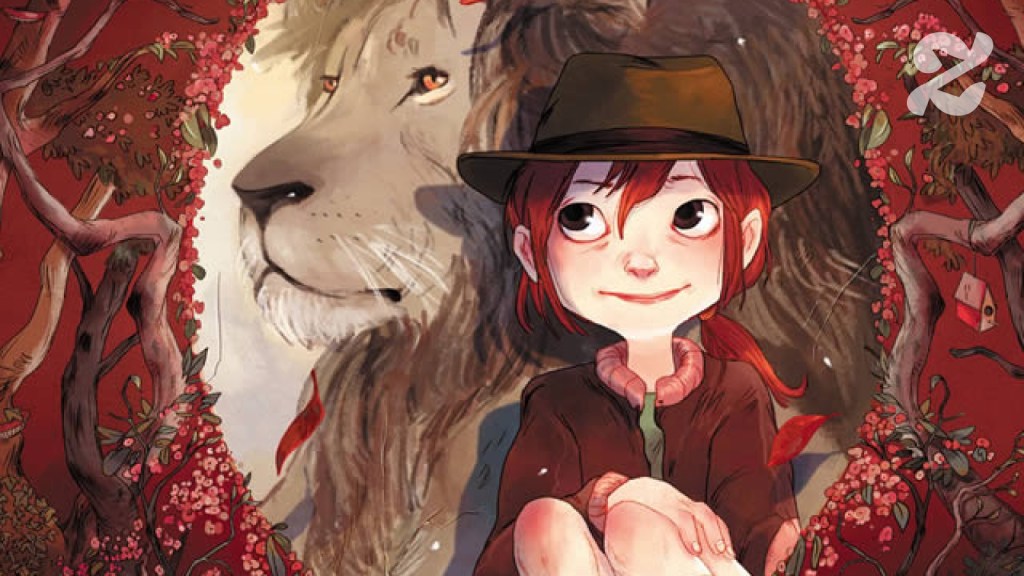
Fictional Diaries: A review of Les Carnets de Cerise: Le Zoo pétrifié (2012)
Les Carnets de Cerise: Le Zoo pétrifié (2012) follows the ten-and-a-half-year-old aspiring writer Cerise. In fictional diary form, she tells her stories. In this review, I discuss the aspects of the diary and how to relate to this graphic novel.
-
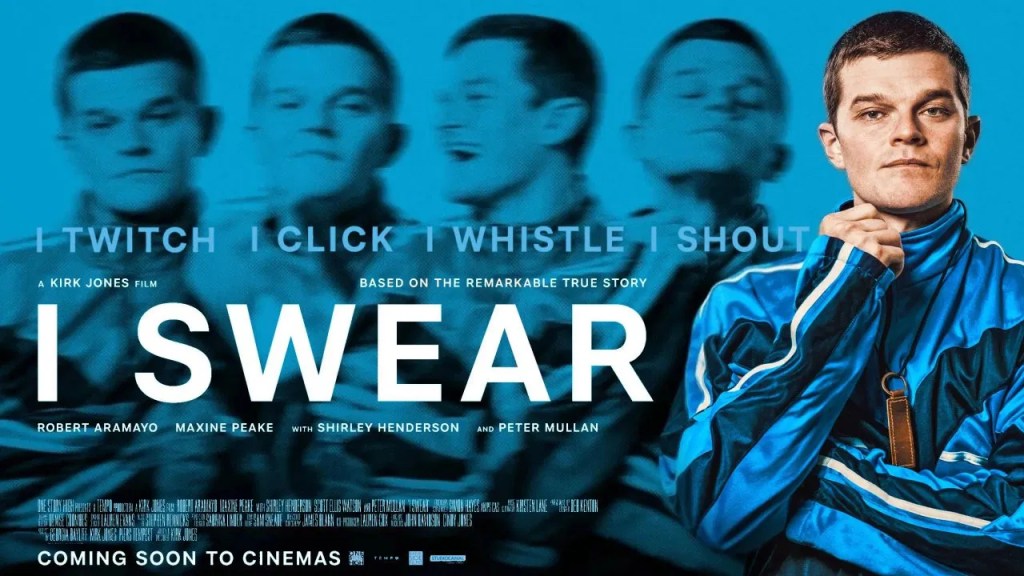
I Swear: depictions of life with Tourette’s Syndrome on the big screen
I Swear (2025) explores the life of John Davidson, a Scottish man who, in his teenage years, developed Tourette’s Syndrome. This motor disorder was widely unknown in the 1980s, and so he had to endure the consequences of ignorance and lack of social and structural support. Through an emotional lens, the movie invites the audience to reflect on the importance…
-
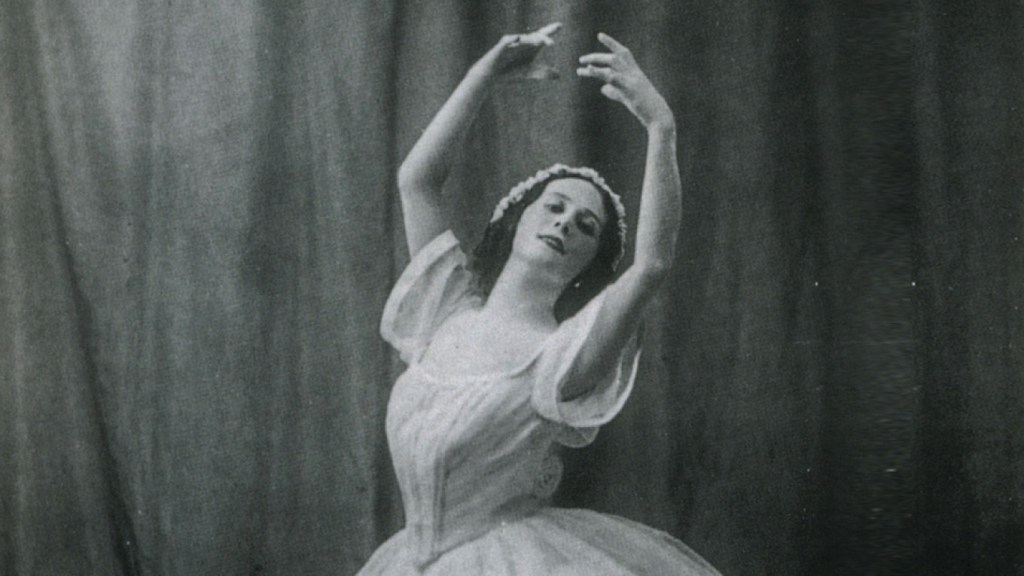
Read-Aloud: Swan. The Life and Dance of Anna Pavlova (2015)
In this read-aloud we share with you the story of the legendary ballerina Anna Pavlova. Laurel Synder and Julie Morstad brought Anna’s story to life with their poetic words and beautiful illustrations in the picturebook Swan (2015). Come join us in learning about a young girl determined to share the beauty of ballet with the whole world.
Beyond the issue
-
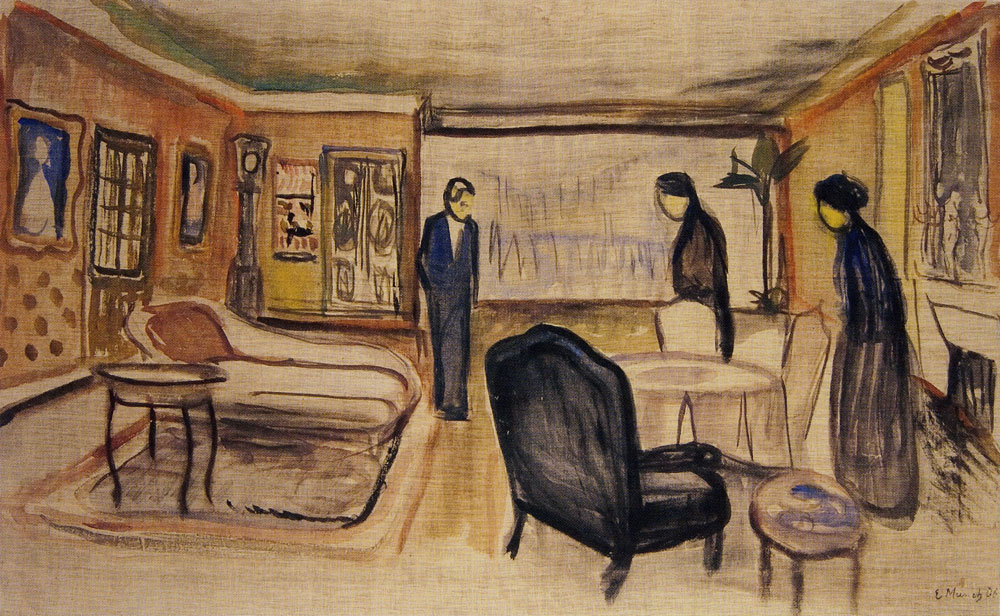
From Europe to India: Children at the Edge of Adult Dreams between the Crossroads of Ibsenite and Tagorean Worlds
This essay explores how Ibsen’s Ghosts and Tagore’s The Laboratory depict children navigating inherited adult ambitions, moral expectations, and social pressures, highlighting the interplay of imagination, care, and intergenerational transmission across European and Indian literary worlds.
-
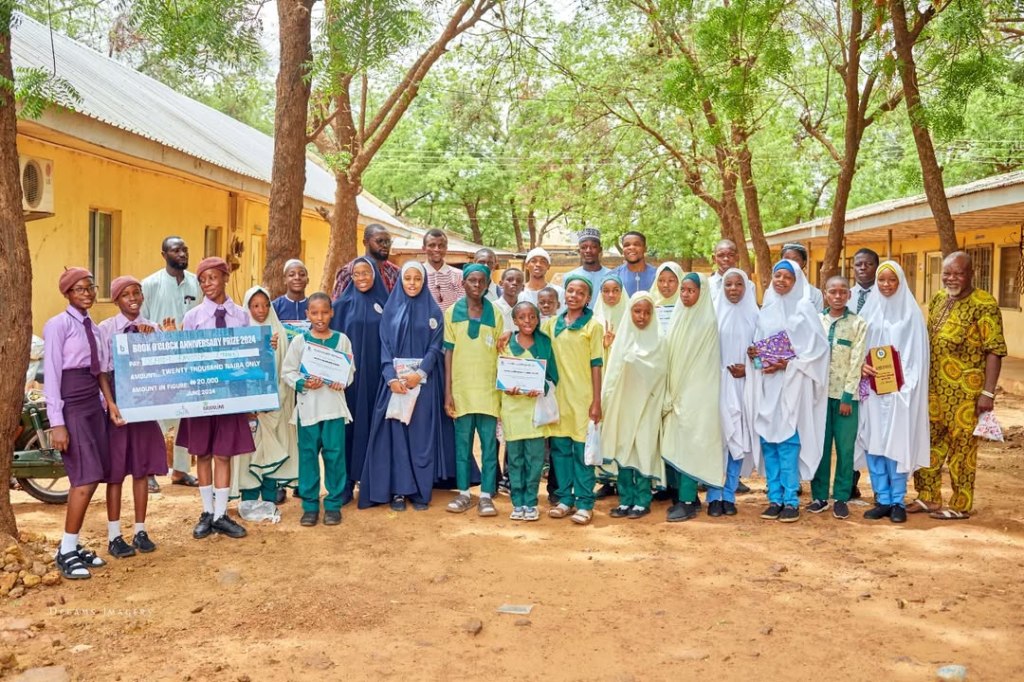
“My art is the business of making art visible”. An interview with Uchenna Emelife
In a new piece for Sliding into the DMs of book professionals, I had the chance to talk with and learn from Uchenna Maximus Emelife, a 26-year-old Nigerian literacy promoter, bookseller, and artist.
-
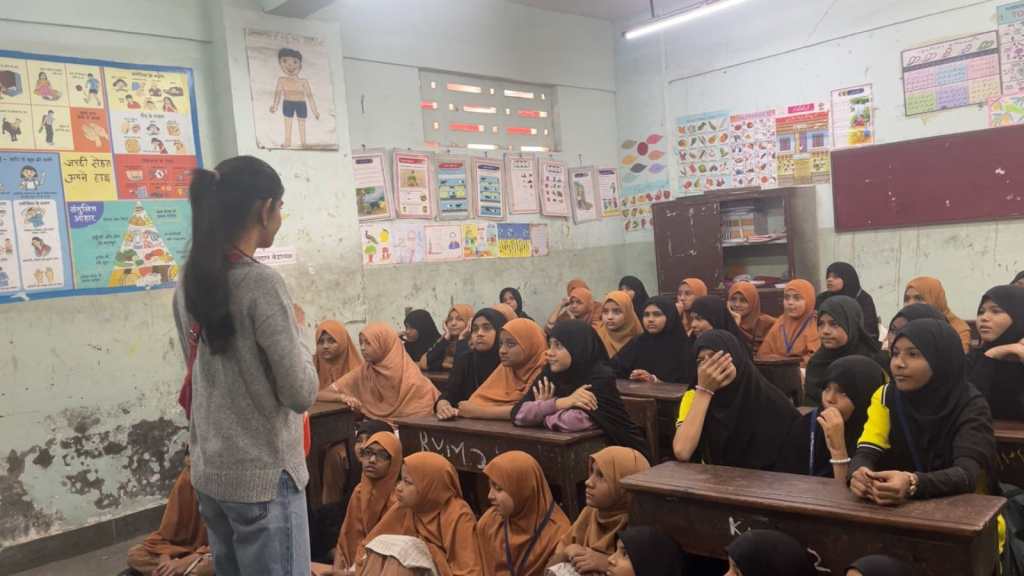
Republic Day and the Promise of Innocence: Reading the Indian Constitution Through Childhood
As India celebrates Republic Day, this article reflects on the Constitution not merely as a legal document, but as a lived promise experienced first through childhood—through festivals, stories, and everyday freedoms. Tracing the making of the Constitution under Dr. B. R. Ambedkar, the piece explores democracy, religious freedom, caste-based inequality, and the growing fear around cultural expression. It concludes by…
Series
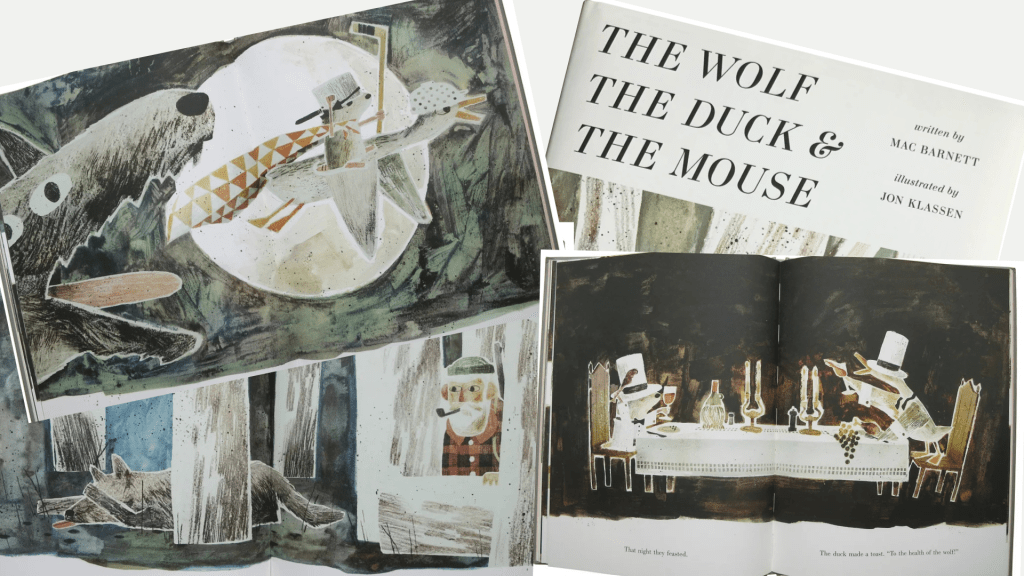
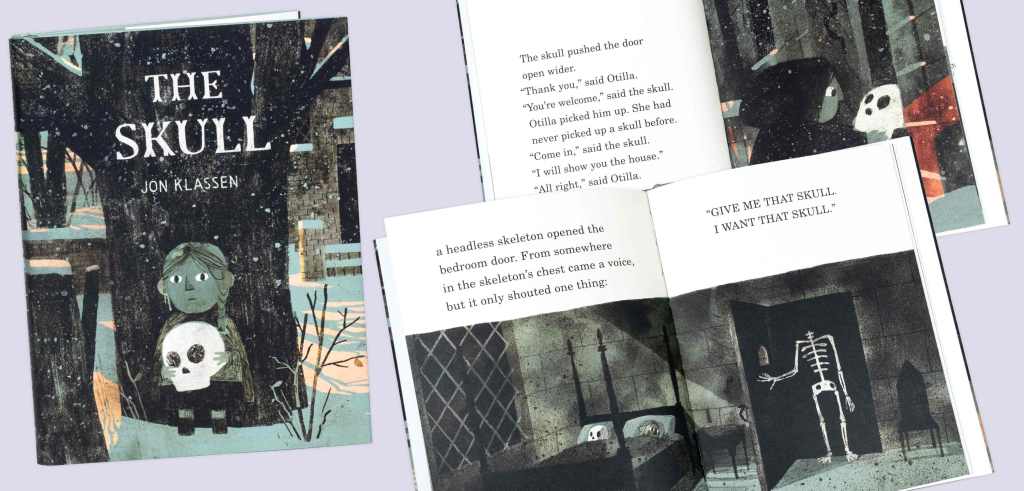
Read-Alouds
Dive into the magic of storytelling with our carefully curated read-alouds for children. Each story comes to life through vibrant narration, sparking imagination, nurturing a love for reading, and creating moments for families and educators to share.

Sliding Mag Recommends
We believe that children in all their diversity should be able to see themselves represented in literature. Discover our recommendations and find inspiration along the way.
Off the margins
Here, you’ll find original works of fiction, visual art, poetry, illustrated reflections, and narrative fragments that may not fit neatly within academic formats — but resonate deeply in the heart of storytelling.
Sliding Tools
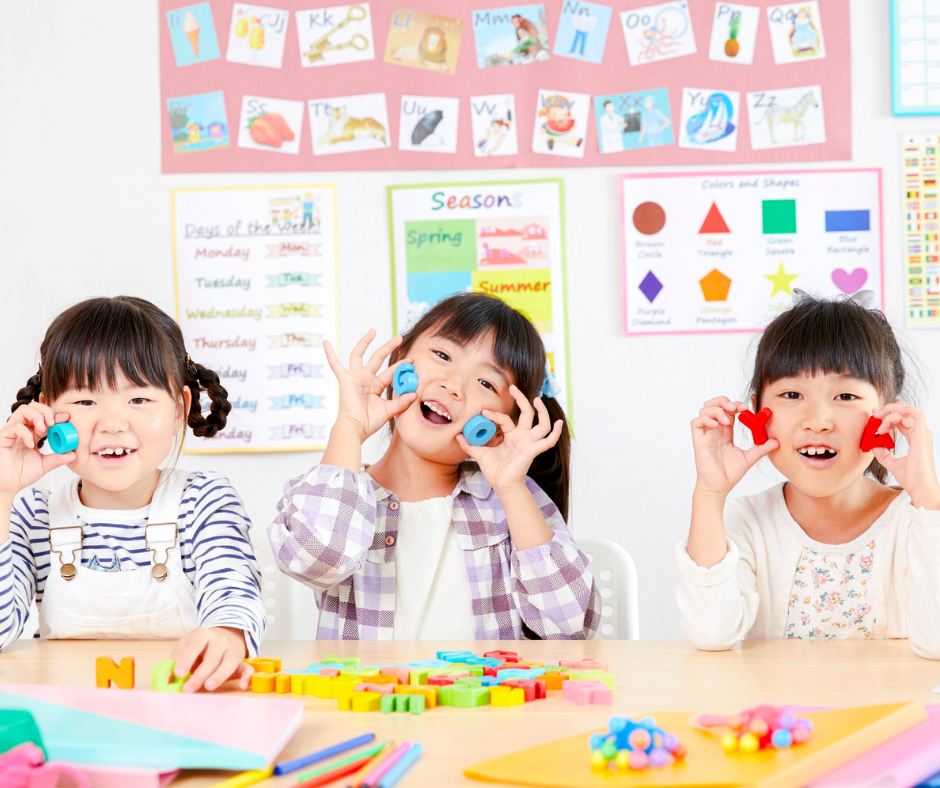
Toolbox opens a space to explore, learn, and create. Discover practical tools to navigate children’s literature, culture, and media — and share them with the young minds around you.

Sliding into the DMs of book professionals
A playful series where we slide into the inboxes of children’s book professionals to ask about their work, values, and creative journeys
Join our community
Be the first to read every article
Follow us on Instagram


Write with us!
We’re always looking for fresh voices and thoughtful perspectives on children’s literature, media, and culture.
If you have reviews, opinions, critical perspectives, creative works, or any other kind of digital material that fit our themes, we welcome your submissions.
- January 2026: Biographical Media
- February 2026: Music
- March 2026: Women and Girls
- April 2026: Children’s Media around the world
- May 2026: Diversity and Inclusion
- June 2026: Nature and Environment
 SLIDING MAGAZINE