
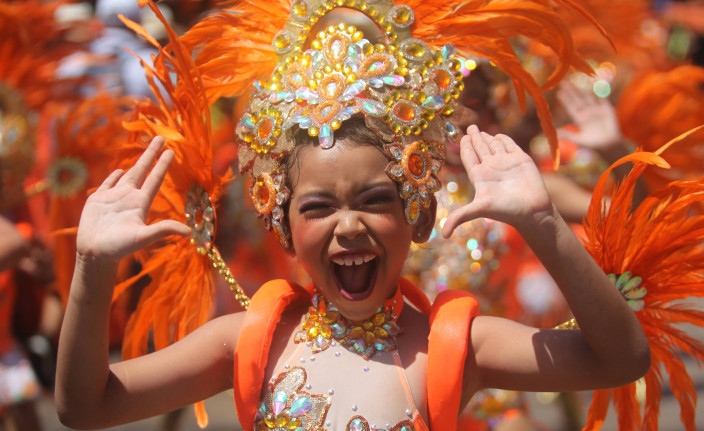

Children are not exempt from experiencing music as something lived and felt, after all, why would such a universal human experience bypass them? What interests me most is how that experience varies across cultures, and how children around the world learn and are socialized through music. In this article, I explore how music is experienced in Latin America and invite our readers to reflect on how their own experiences may differ from or resonate with these rhythms.
When it comes to music, most of us might agree to know what it is. Maybe it is hard to define it word by word, but music as a universal multisensory experience is a consensual concept. The arrangement of sounds and silences, instruments and voices and other components of music are shaped by the intended composition and mediated by the listener’s experiential reception. We might agree that a song that we listened to when we were eight years old might sound different when we’re forty.
By way of example, I was raised in a media family with a special love for radio, and there was a radio commercial that used to terrorize me every single time it aired. It was unforeseeable to know when it was going to come up –at least for me as a child– but I always made sure I was close to an exit while the radio was playing so I could run away as soon as possible once I heard the first note. I cannot recall what the commercial was about because I never stayed long enough to hear all of it, but I do remember the fear it produced in me by using the sound of Beethoven’s 5th Symphony. Now, twenty years later, I can assure you that my experience with the piece is pretty different. It is not my favourite piece of music but at least it doesn’t trigger a fight-or-flight response anymore.
So, yes, despite this being a very personal anecdote, I venture to say that children in general are not exempt from interpreting music as an experiential phenomenon. After all, why would a universal experience skip this population? What I find interesting about this topic is to explore how the experience of hearing and listening to music varies, and how children around the world learn, feel and are socialized through music.
Now, my dear reader, I must warn you, this article is a very first step into that quest, a self-reflective exercise that needs to be followed collectively to more fully answer the question. The latter being an overly ambitious one. I chose the curiosity-driven attempt and look into this topic through a Latin-American lens. Maybe by reading this you will learn new aspects of children’s experience of music in Latin-America –this magazine’s language does not necessarily target Latin-American readers or the global south population– and maybe, based on this article, you can share with us the connection between childhood and music you experience in your territory.
Music in cultural spaces – school
A valid question to ask is why music would be culturally experienced differently by children? Well, according to Ronny Viales Hurtado (Marín, 2011) who stands out for studying the socio-historical vision of childhood through the distinction of its social and cultural construction in the Costa Rican context, childhood would be
- a material space: vital space in which it develops;
- a conceptual space: a phenomenon permanently in the social structure;
- and a subjective space: an environment with meanings for the children themselves.
Building on Viales’ understanding of childhood, I use this framework to reflect on how music and childhood converge. In the Latin-American context music is actively present in all of these spaces. This could be giving us a clue to a structural variation of music as a cultural element in the childhoods of the global south, especially in Latin-American ones.
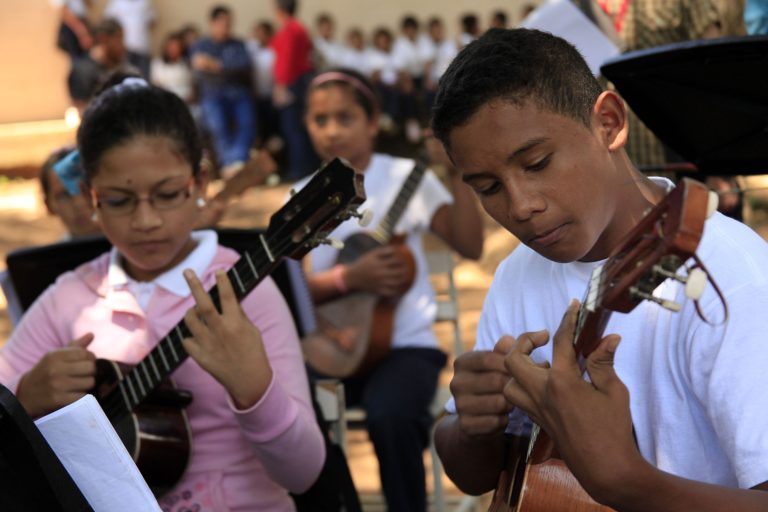
Beginning with the analysis of the material spaces, we can see that part of childhood socialization norms involve music both formally and informally. For instance, in Latin-American schools music is included as part of the artistic and cultural manifestations within the school curriculum. In the case of Chile, Music is a mandatory assignment in primary and secondary education. In the primary education curriculum, one of the first-year learning objectives within the theme Listening and Appreciating is to expose students to a wide range of music from diverse contexts and cultures. This includes a strong emphasis on oral traditions—such as folklore and Indigenous music—as well as songs, circle games, dances, and rhythmic verses. At the other end of the school trajectory, in the final year of secondary education, this focus continues through a recommended interdisciplinary project, Participating in the Music Industry. Its learning objective is for students to develop and justify aesthetic judgments about musical works from different styles, considering aesthetic criteria, expressive purposes, and contextual aspects. Both examples can be found here.
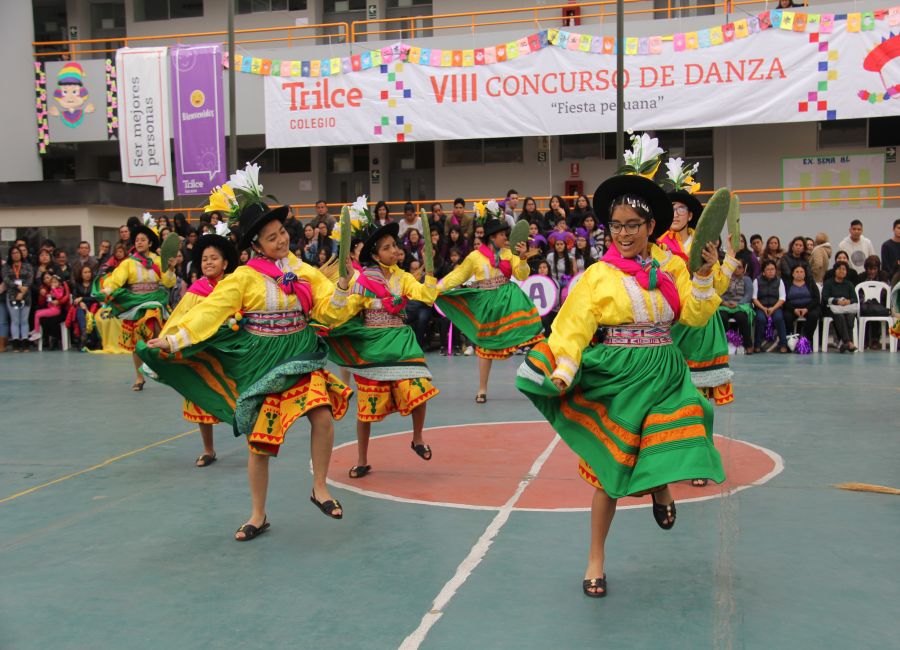
Further north, in Perú, the Study Plan for preschool, primary, and secondary education seeks to bring students closer to the enjoyment and production of music, dance, play, among others, from an early age. In the same way, countries such as Colombia, Costa Rica, Argentina, Bolivia, and Ecuador contemplate in their school curricula spaces that promote similar cultural practices related to folk music and dance. School events such as musical and dance performances are common during the school year, even promoting values such as competitiveness through music and dance contests in and between schools.
Music in cultural spaces – family
The family, another institution that according to Viales, is privileged in the child’s socializing process, exercises control over the child’s contact with music, which on the Latin continent not only obeys a circumstantial cultural manifestation, but is also habitual and essential in daily life. Children in Latin-America are exposed to music and dance from an early age and families are the regulators of this interaction.
This strong presence of music is reflected in the everyday stories of children across the region. In Nicaragua, for instance, Samuel Palacios became interested in learning the marimba at an early age and now plays it alongside his father. We can also see on the northern Colombian coast, a video of a boy drummer playing Son de Negro, a folkloric dance of African heritage. It displays community and family musical encounter. Or the case of the Dominican child playing the güira in a Merengue orchestra, a traditional instrument of an emblematic musical genre of the Dominican Republic. These are just some of the examples found on social media, but the real deal happens in real life.
Beyond instruments being played, something important that these videos contain is the evidence of a musical intelligence developed outside “formal” musical environments, which is preceded by the exposure of folkloric rhythms belonging to important cultural practices.
The relationship of childhood with music in these examples is similar to that of childhood and play: it is mediated and supported by the infant’s family, it is cherished by the community, and the child becomes an agent within this dynamic.
Music in conceptual spaces – festivals and public spaces
Continuing our analysis, we now turn to how social structures are built around children—regarding music and celebration—in order to explore what Viales describes as conceptual spaces of childhood. The author understands it as a socially constructed reality based on the recognition of children’s rights, and in Latin-America public celebrations, from children’s carnivals, traditional dance festivals or massive cultural programs aimed at them, can be read as concrete expressions of the fundamental right of children to recreation, and participation in cultural life and the arts. On a macro level, we could say that there is a regional interest in celebrating through music, and children are not excluded from this.
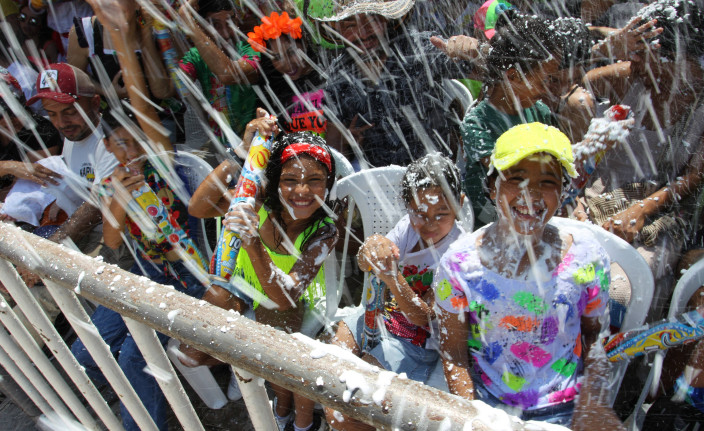
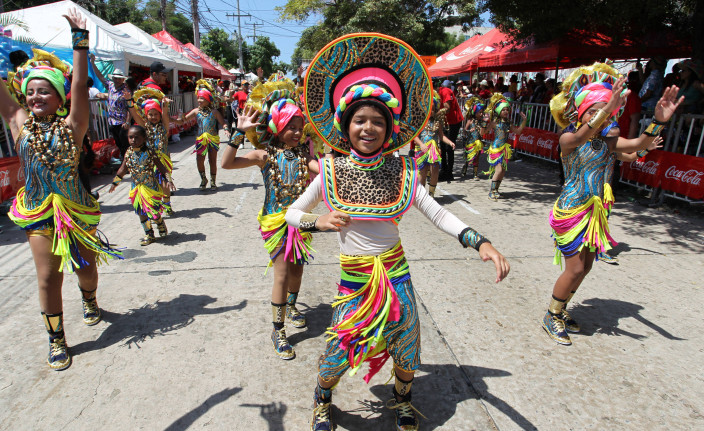
In many Latin-American places –of course conditioned by social variants– there is no rigid division between the musical recreation of children and adults. Music circulates in shared spaces such as cleaning day, patron saint festivities, holiday’s celebration, mass/service, etc., and children actively participate as listeners, dancers, or performers, integrated into the broader social dynamics. The recurring joke on the internet that suggests “putting the child to sleep between two chairs at the party”, synthesizes this cultural logic of celebrating through music:
Childhood is not excluded from collective enjoyment. Thus, music works as a common language that crosses generations, strengthening family and community ties.
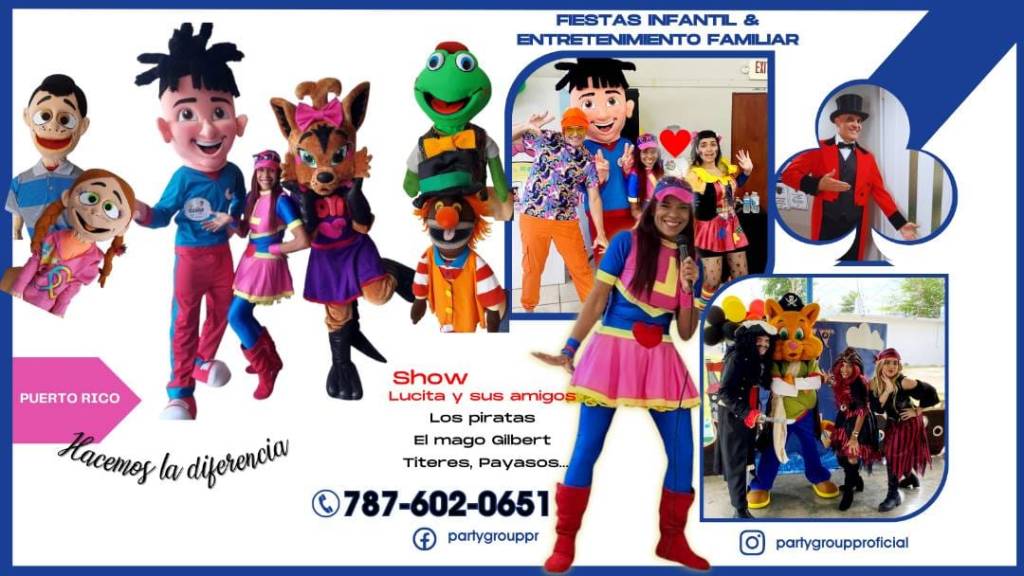
In a different social sphere, a common cultural phenomenon at birthday parties is the incorporation of the Hora Loca, a moment during the event where generally hyped music and dance are mixed and all the guests get up to participate and dance. Children and adults are part of it, and if you want to be invited to the next party, you better stand up and dance too. Social demands in Latin-America are more taxing to shy children and adults, I have to say. Another party convention is hiring entertainers, which includes guess what? music, games, and dancing guided by a guy that has never known what social anxiety is. Do you see the people wearing costumes in the next picture? Yeah, that’s them. Children and adults eat it up.
Finally, the third vision of childhood according to Viales occurs through subjectivity, intersubjectivity and transubjectivity, an area of meanings for the children themselves. This vision covers a field study – children themselves and their identity– that I cannot overreach to draw conclusions from. I propose that future research and discussion could explore how music helps children form a sense of identity, recognize their place within their own and other social contexts, and build relationships with their environment through musical experience. Only then we could talk at a deeper level about why, for example in the Caribbean, having musical intelligence such as pattern and rhythm recognition is significantly relevant in social dynamics among peers. In other words, why knowing how to play or dance settles an intrasocial and intracultural placement as a child.
To conclude
We can return now to the question that guided this article of how childhood’s musical experience varies across the world. So far, I only offered you a glimpse of how music is an essential part of children’s socialisation in Latin-American cultures. As the examples suggest, music appears repeatedly across the material, conceptual, and subjective spaces that shape children’s everyday experiences.
Although I am no expert in the topic, and this was –as indicated initially– a self-reflective exercise, I could suggest that many aspects of music are an inherent Latin-American childhood experience, not exclusive to the region but representative of it. It constitutes part of Latin-American folklore and identity, and it can be understood as an omnipresent intergenerational phenomenon that is encouraged and cherished by its participants. Therefore, musical intelligence is a socially valued skill that is both institutionally promoted by family life and schools and informally encouraged by communal cultural participation.
I would love to invite you, especially those joining us from other parts of the world, to reflect on how these experiences resonate with, or differ from, your own. Let us know in the comments below.
Bibliography
Marín Hernández, Dr. Juan José. (2011). Música e infancia: de la socialización al control social. Un balance teórico metodológico. Diálogos Revista Electrónica de Historia, 12(2), 137-164. Retrieved February 04, 2026, from http://www.scielo.sa.cr/scielo.php?script=sci_arttext&pid=S1409-469X2011000200007&lng=en&tlng=es
 SLIDING MAGAZINE
Leave a comment