
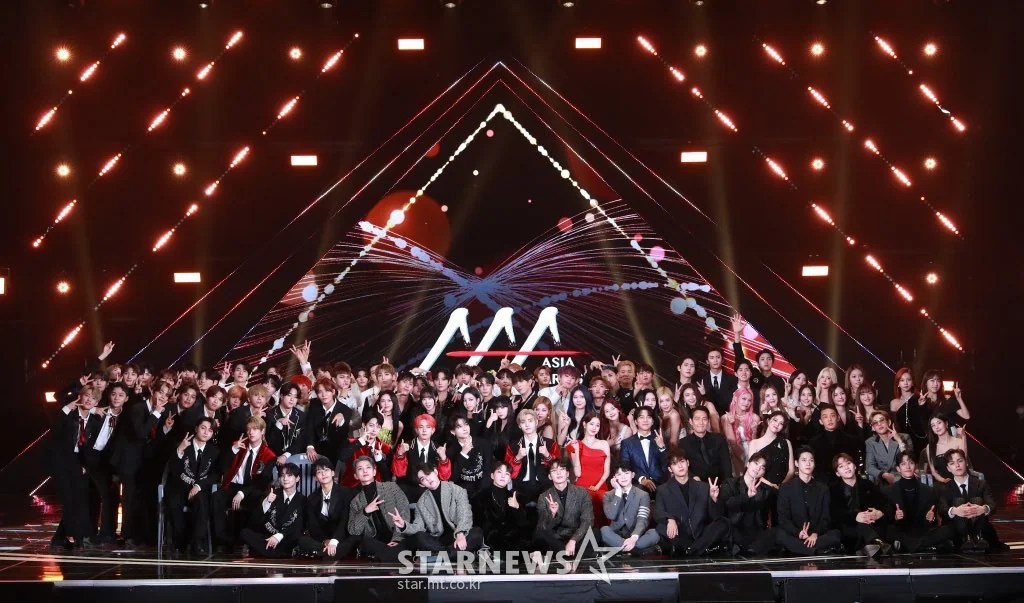

This article explores K-pop as more than a musical genre, framing it as a global cultural system shaped by performance, fandom, digital media, and transmedia storytelling. Tracing K-pop’s evolution across generations, the piece examines how groups such as BTS, BLACKPINK, TWICE, SEVENTEEN, Stray Kids, and others reshaped the global music industry. It also analyses the Netflix animated film K-Pop Demon Hunters as a turning point that signals K-pop’s transition from music industry to globally legible cultural language.
K-pop Isn’t Just Music — It’s a Cultural System. For many people outside its fandom, K-pop is often reduced to surface-level imagery: synchronised choreography, glossy visuals, colourful hair, and intensely devoted fans. It is frequently dismissed as a novelty or a passing trend. Yet K-pop is not simply pop music sung in Korean. It is a carefully structured cultural system—one that blends music, performance, technology, fandom, and globalisation in ways few other music industries have managed.
Even listeners who have never actively sought out K-pop have likely encountered it already. It plays quietly in the background of Instagram reels, TikTok trends, Netflix soundtracks, advertisements, fashion campaigns, and gaming playlists. Often, the music is consumed without recognition of its origin. K-pop does not always announce itself; instead, it integrates.
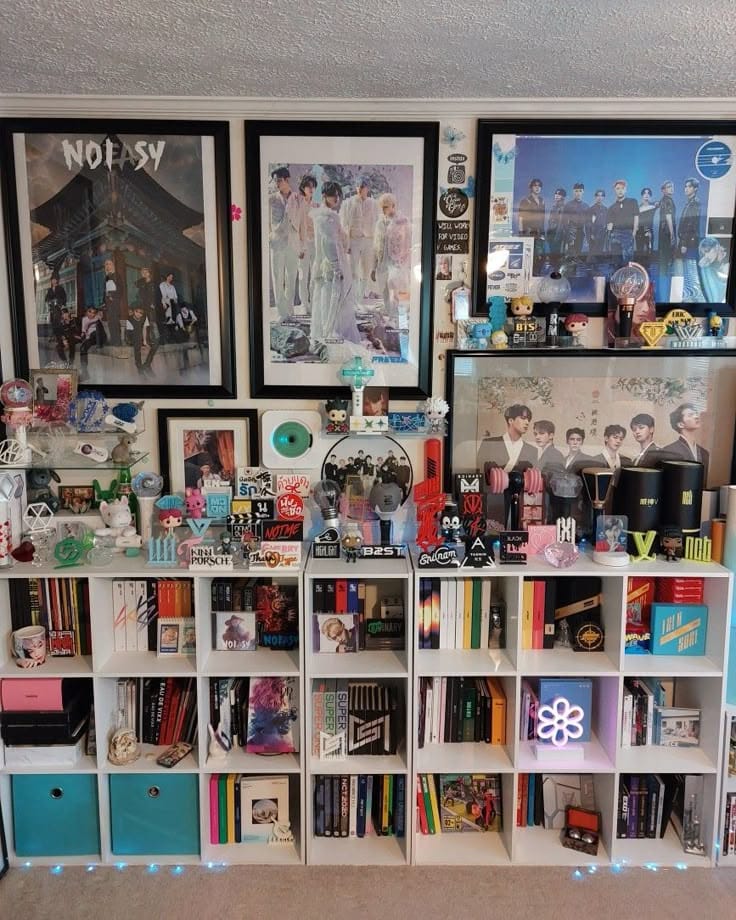
This article is not a ranking of groups or a guide for becoming a fan. Rather, it offers a map—tracing how K-pop emerged, how it evolved across generations, how certain groups reshaped the industry, and how recent transmedia projects like K-Pop Demon Hunters signal its growing permanence in global culture.
*All the images used in this article were retrieved by the author from different open fan groups on Instagram. Where possible to trace, the original source is indicated.
Where Did K-pop Come From?
K-pop’s foundations lie in South Korea’s post-war cultural history. Following the Korean War (1950–1953), American military presence introduced Western music styles such as jazz, rock, hip-hop, and R&B. Over time, these influences blended with Korean musical traditions and narrative sensibilities.
A decisive turning point occurred in 1992 with Seo Taiji and Boys, whose televised performance broke away from ballad-centric pop. Their incorporation of rap, electronic beats, and socially critical lyrics—addressing education pressure and generational conflict—challenged existing norms. Scholars often identify this moment as the birth of modern K-pop.
Entertainment companies soon formalised the idol system, recruiting trainees and providing years of instruction in vocals, dance, languages, media training, and stage presence. While the system has been criticised for its intensity and power imbalances, it also explains why K-pop artists are rarely “just singers.” They are performers, visual storytellers, and global cultural representatives.
Generations of K-pop: Sound, Strategy, and Shift
K-pop’s evolution is often understood through generations, each shaped by changing technologies and cultural conditions.
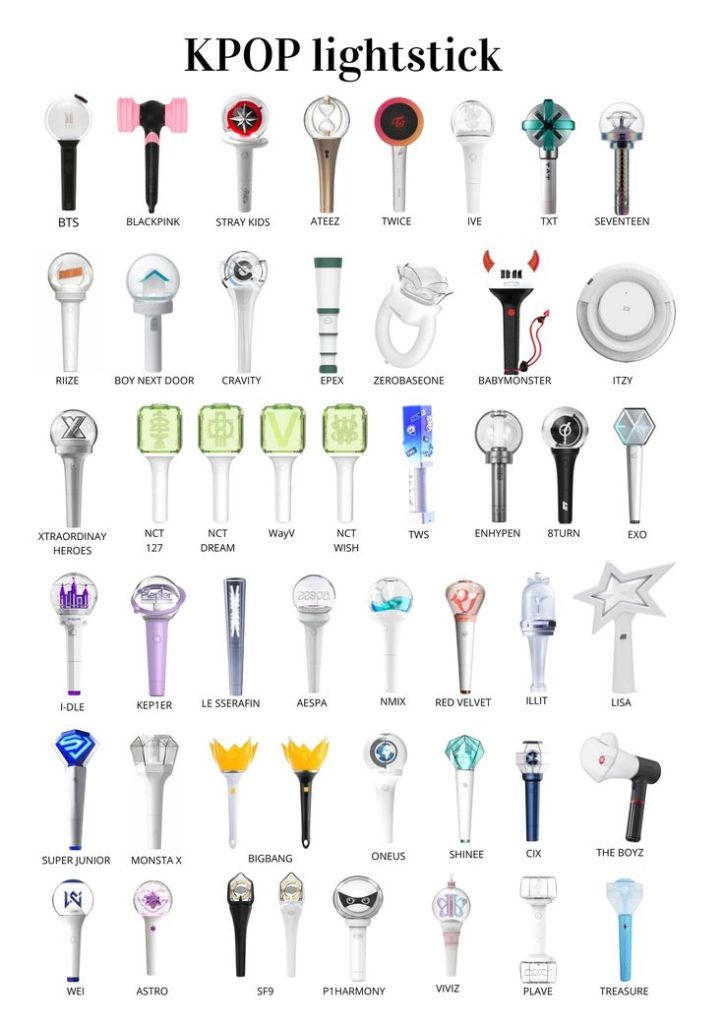
First-generation K-pop (1990s) established idol culture domestically. Groups like H.O.T. and S.E.S. introduced organised fandoms and youth-oriented marketing.
Second-generation K-pop (early 2000s) expanded regionally. Acts such as BIGBANG, Super Junior, and Girls’ Generation experimented with genre-blending and international promotions, particularly across East and Southeast Asia.
Third-generation K-pop marked a global breakthrough. Groups such as BTS, BLACKPINK, EXO, TWICE, and SEVENTEEN rose alongside YouTube, Twitter, and streaming platforms, building international audiences without relying on Western media gatekeeping.
Fourth-generation K-pop leaned into experimentation and intensity. Groups like Stray Kids, ATEEZ, and TXT foregrounded identity, rebellion, and emotional rawness, often through self-produced music.
Emerging acts such as CORTIS, KickFlip, and other newer groups represent a developing fifth wave—shaped by algorithm-driven platforms, post-pandemic audiences, and hyper-digital consumption.
These generations do not replace one another; they coexist, forming a layered and evolving ecosystem.
Fandom as Cultural Infrastructure
K-pop fandoms are not passive audiences. Fans organise translation teams, charity projects, streaming campaigns, and promotional efforts that rival professional marketing strategies. In many ways, fandoms function as decentralised media infrastructures.
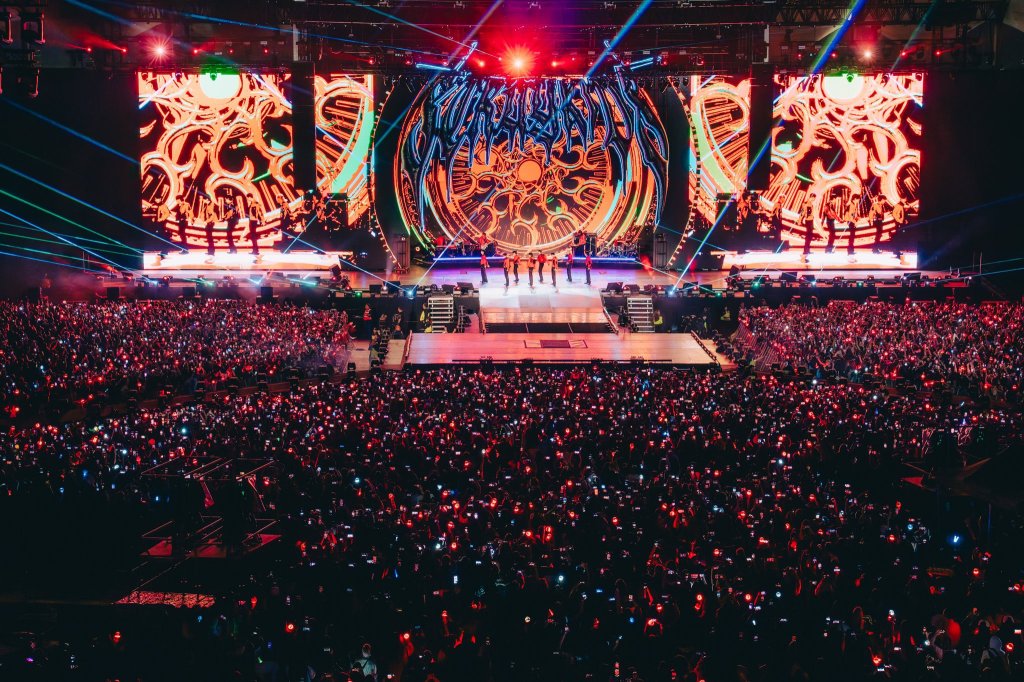
At the centre of this engagement are parasocial relationships—emotional bonds formed through media exposure. While such relationships can be problematic, they also fulfil a desire for connection and belonging in increasingly fragmented digital spaces.
When K-pop Became a Storytelling Language: K-Pop Demon Hunters
A striking example of K-pop’s cultural saturation is Netflix’s animated film K-Pop Demon Hunters. The film follows a fictional K-pop girl group who balance idol life with secret demon-hunting missions. Though fantastical, the premise relies on globally recognisable elements of idol culture: performance pressure, dual identities, teamwork, fandom visibility, and the tension between public image and private self.
K-Pop Demon Hunters signals a major shift. K-pop no longer needs real-world artists to validate its influence—it has become a narrative genre in itself. Much like anime functions as a gateway into Japanese culture, animation here introduces K-pop to audiences who may not actively listen to Korean music.
By existing within Netflix’s global ecosystem, the film demonstrates how K-pop now travels through transmedia storytelling rather than charts alone. When a music industry becomes fictionalised and still globally legible, it has crossed from trend into cultural infrastructure.
The rise of K-Pop Demon Hunters also signals how far K-pop has travelled beyond music charts and performance stages. By translating idol culture, fandom dynamics, and industry pressures into animated storytelling, the project makes K-pop legible to an even wider global audience.
For readers interested in exploring this crossover in greater depth, Sliding Magazine offers a dedicated analysis here: K-Pop: Demon Hunters — A Glittery Blade Through the Shadows of the Industry
Why K-pop Matters
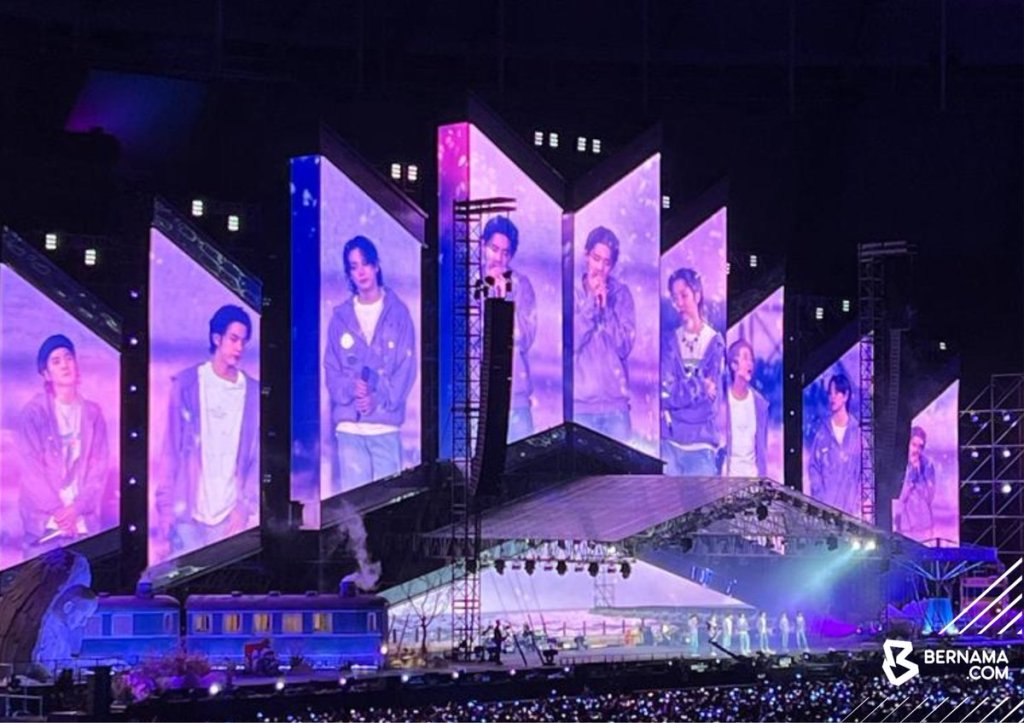
K-pop matters not because it is fashionable, but because it reveals how culture moves in a digital, globalised world. It demonstrates how non-Western industries can challenge cultural hierarchies, how fandoms operate as cultural labour, and how music becomes a site of identity formation.
K-pop is not without contradictions—but it is important. It mirrors the tensions between creativity, capitalism, and community that define contemporary popular culture.
You do not have to be a fan to recognise its impact. You only have to listen closely.
Groups That Reshaped the Industry
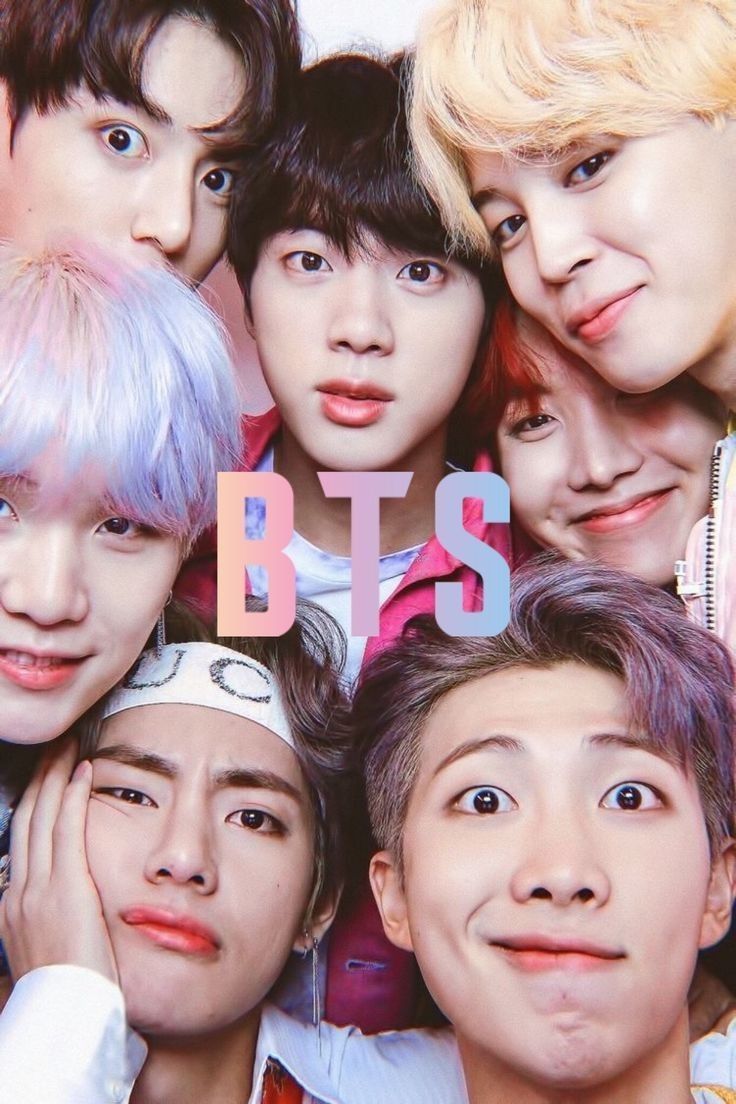
BTS — Storytelling and Emotional Continuity
BTS transformed idol music into a long-form narrative. Across interconnected albums, they explored mental health, burnout, youth pressure, and self-acceptance, demonstrating that vulnerability could coexist with global success.
Recommended listening: “Spring Day”, “Black Swan”, “Fake Love”, “DNA”, “Butter”.
BLACKPINK — Global Branding and Spectacle
BLACKPINK’s influence extends beyond music into fashion and luxury branding. Their sound is minimal yet powerful, designed for performance and global visual impact.
Recommended listening: “DDU-DU DDU-DU”, “Kill This Love”, “How You Like That”, “Pink Venom”, “Shut Down”.

TWICE — Longevity Through Reinvention
TWICE’s career reflects audience growth. From bright bubble-pop to emotionally mature themes, they demonstrate how K-pop groups evolve alongside fans.
Recommended listening: “Cheer Up”, “TT”, “Fancy”, “Feel Special”, “The Feels”.
SEVENTEEN — Creative Agency and Collective Identity
Known as a self-producing group, SEVENTEEN actively participates in songwriting and choreography, challenging the idea of idols as passive products.
Recommended listening: “Don’t Wanna Cry”, “Very Nice”, “Left & Right”, “HOT”, “Super”.
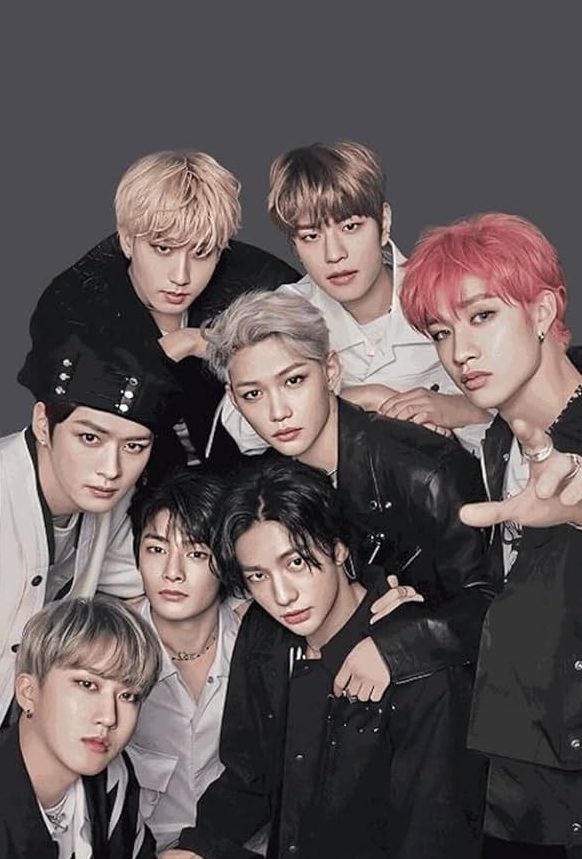
Stray Kids — Chaos, Identity, and Self-Production
Stray Kids embrace experimentation and emotional intensity. Their music often reflects defiance and self-definition, resonating strongly with younger audiences.
Recommended listening: “God’s Menu”, “Back Door”, “Maniac”, “Thunderous”, “Case 143”.
EXO — Vocals and Conceptual World-Building
EXO played a key role in establishing global K-pop fandom culture, combining strong vocal performance with elaborate conceptual narratives.
Recommended listening: “Growl”, “Call Me Baby”, “Monster”, “Love Shot”, “Tempo”.
ATEEZ — Performance and Cinematic Lore
ATEEZ are known for theatrical performances and narrative-driven concepts centred on rebellion, freedom, and alternate realities.
Recommended listening: “Wonderland”, “Answer”, “Guerrilla”, “Deja Vu”, “Bouncy”.
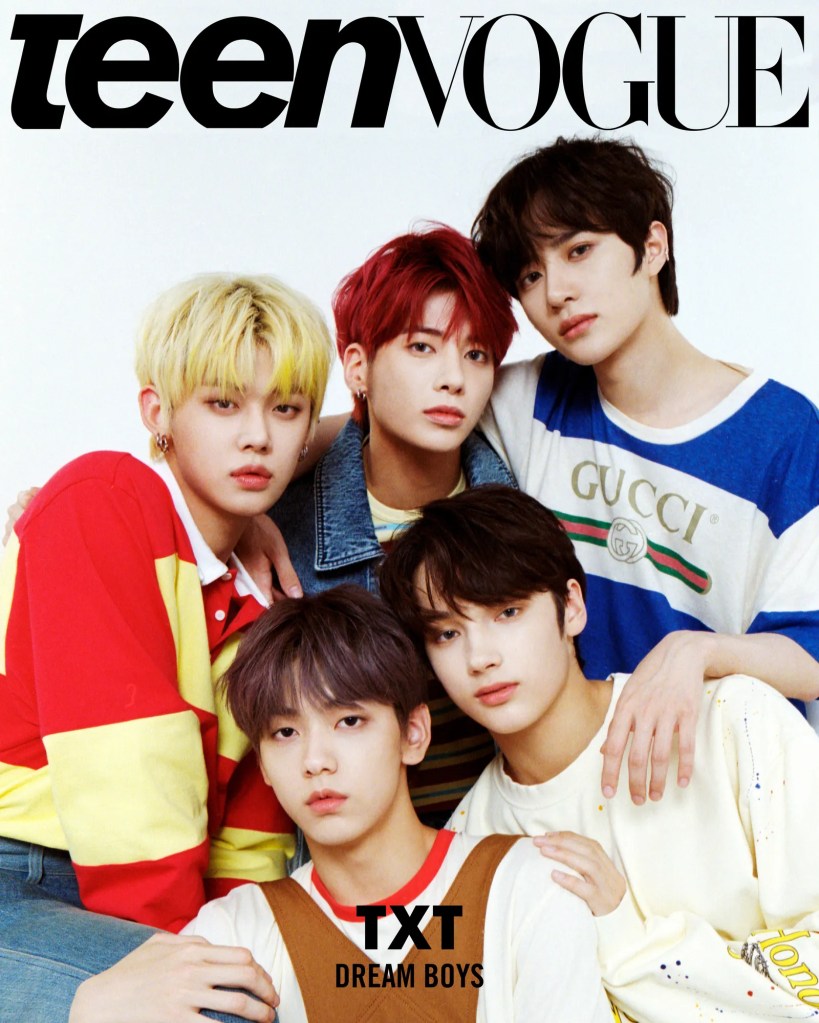
TXT — Youth, Fantasy, and Vulnerability
TXT explore adolescence through fantasy metaphors, emotional confusion, and nostalgia, making their music especially accessible to younger global listeners.
Recommended listening: “CROWN”, “Run Away”, “0X1=LOVESONG”, “Blue Hour”, “Sugar Rush Ride”.
Songs You Knew—Without Knowing They Were K-pop
K-pop’s global presence is often subtle. English choruses, viral dance challenges, and soundtrack placements allow songs to circulate without cultural labels attached. This challenges the assumption that music must be linguistically understood to be emotionally effective. Melody, performance, and visual storytelling frequently do the work where language does not.
K-pop matters not just because it changed the music industry, but because it continues to expand what global culture can look like.
Bibliography
- Howard, K. (2006). Korean Pop Music: Riding the Wave. Global Oriental.
- Lie, J. (2015). K-pop: Popular Music, Cultural Amnesia, and Economic Innovation in South Korea. University of California Press.
- Jin, D. Y. (2016). New Korean Wave: Transnational Cultural Power in the Age of Social Media. University of Illinois Press.
- Oh, I., & Park, G. (2012). From B2C to B2B: Selling Korean pop music in the age of new social media. Korea Observer, 43(3), 365–397.
- Jenkins, H. (2006). Convergence Culture: Where Old and New Media Collide. NYU Press.
- Tukachinsky, R. (2011). Parasocial relationships and media consumption: A review of 20 years of research. Communication Research Trends, 30(4), 3–27.
- Netflix. (2025). K-Pop Demon Hunters [Animated film]. Netflix Animation.
- Billboard & Rolling Stone. (2018–2024). Coverage on K-pop’s global expansion and cultural impact.
 SLIDING MAGAZINE
Leave a comment