

This month, we are sliding into MUSIC! Read this editorial for an introduction to the topic and to explore what SLIDING will publish this month.
Music has always played a huge role in my family. Do not get me wrong, we are far from being great musicians. There is a 6-month period in which I took piano lessons that should never be talked about again. What I do mean to say is that music was always around.
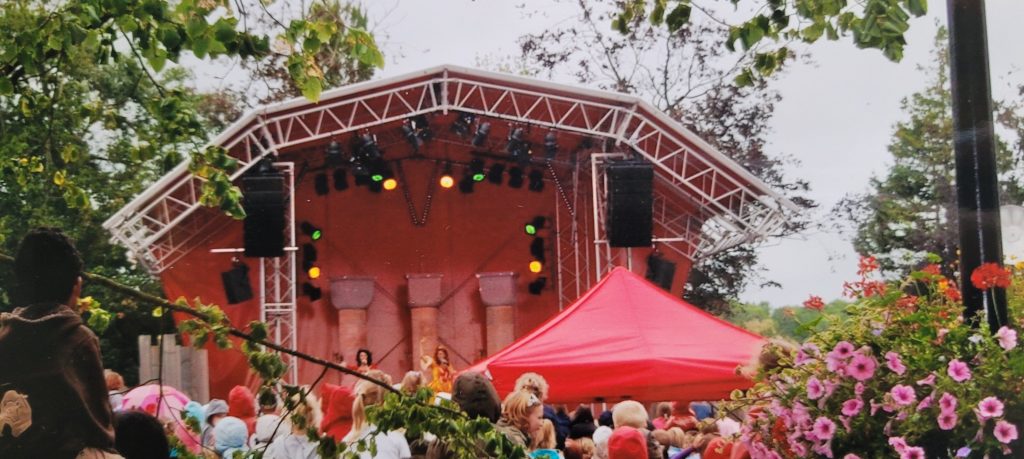
When I woke up in the morning, the radio was already playing loudly, and music was enjoyed outside the house as well. When they were younger, my parents often attended concerts of, now, legendary artists; think of the Rolling Stones, Bon Jovi, and Pink Floyd. To pass this love of live music on to me, they naturally started taking me to concerts as well. In our first row seats, I slept through the entirety of my first concert. Not to worry, I have grown into loving concerts since then and have yet to fall asleep during one again. There is a magic to live music that even makes me like the artists I used to despise (true story, this happened just last week). If I may just make one statement in this editorial, it is that I urge you to look beyond the overly expensive concerts of the most famous artists; cheap, local concerts are just as much fun.
Music was also the foundation of intergenerational connection in my family. My grandfather used to gift me with CDs filled with songs of my favorite artists. Of course, he and my grandmother were then also forced to listen to said CDs during car rides. In return, I listened to songs he liked. Songs that still remind me of him, over ten years after he passed away.
In the past year, my mother and I have been attending concerts of her childhood idols. We do not just listen to songs that she and I like, but she also tells stories of the periods in which she liked the artists. She talks about the friends she made at concerts, the times she met the artists, and her frustration when certain artists would not perform in our home country.
While times have changed, my mother’s experiences as a concert-loving teen were very similar to mine thirty years later. So, as I said, music was all around me when I grew up and continues to shape the connections I have with my close family and friends.
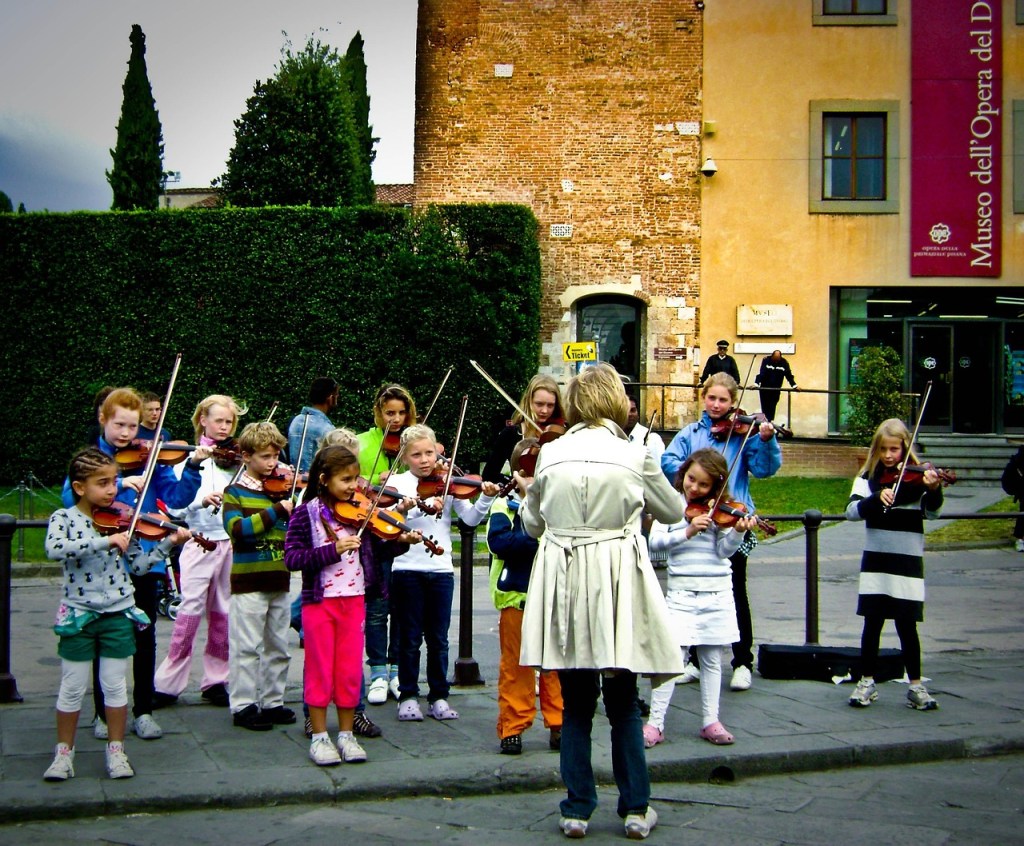
If it was not yet clear, this month, we are sliding into Music! Children’s first experiences with music often come very early: babies are sung to sleep with calming lullabies, and toddlers’ toys and games are based on songs. Later, children learn the days of the week, the alphabet, and many other things through songs taught in school, and teenagers find consolation and a sense of self in the songs they listen to on their headphones (Campbell, 2015, pp. 15-27). I should not have to elaborate any more on why music is a relevant theme for this magazine.
This month, you will find a wide variety of tuneful articles in SLIDING Magazine. The issue will include articles on musical genres, such as Joshna Joy’s introduction to K-pop and Francisca Tapia Álvarez’s discussion of the evolution of Electronic Dance Music (EDM) and family raves. I, myself, have written on femininity and gender stereotypes in Dutch and Flemish children’s musicians. Finally, Laura Arrázola-Hernández shares examples of musical socialization in Latin America and aims to find out how children around the world learn, experience, and socialize with music.
Now, let’s put on our headphones or turn up our speakers and listen to our favourite songs before diving into our exciting articles about music and childhood.
Bibliography
Campbell, P. S. (2015). Music in the Culture of Children. In V. L. Levine & P. V. Bohlman (Eds.), This Thing Called Music: Essays in Honor of Bruno Nettl (pp. 15–27). Rowman & Littlefield.
 SLIDING MAGAZINE
Leave a comment