

From evil, child-eating women in candy houses to friends and healers. Witches have been covered in children’s literature for centuries. But what really is a witch, and how do the fictional witches connect to the historical witch trials? This article dives into the figure of the witch and introduces five middle-grade witches in literature.
The concept of witches and witchcraft is difficult to explain in a short article. The term has often changed its definition historically, and its meaning differs in non-fiction versus fictional stories. The witch stands for magic and power, but also for sexism and oppression. The witch stands for ugliness and evil, as well as doing good and being quirky. In this article, I try to briefly introduce some of the meanings of the witch as well as five interesting witches in middle-grade literature that you might have never heard of before.
According to the definition in the Oxford Dictionary, the word witch has had various meanings and interpretations across time. In the early use of the term, a witch was not necessarily a gendered word, whereas now it is associated with magical women. Back then, it was “one who practices witchcraft or magic, or a supernatural being.” Led by Christianity, the term witch shifted from a neutral connotation to be associated with evil magic and Satanism.
Rather than satanic beings, so-called witches were rebellious, non-conforming, disabled, mentally ill, and other minoritized women who resisted the patriarchal Western world they inhabited. This ‘unusual’ behavior made them the perfect scapegoat for the distraction of systematic or inexplicable problems in society. This led to deadly witch hunts. Between the 15th and 18th centuries, there were intensive witch hunts all around the world, but specifically in Europe and various other countries with a high presence of Christianity and colonialism. Women accused of witchcraft were abused and brutally murdered. To learn more about how witchcraft and disability are connected in contemporary fiction, read Amanda’s article on autistic tween girls.
While witches are still seen as evil by some, the modern witch is on the rise. These witches are women with a strong connection to nature and kinship with their coven. Additionally, they engage in rituals and spirituality. Modern witchcraft is closely connected to the Wicca religion.
The character of the witch has not been a stable concept in children’s literature and media either.
Early on, it was often found in fairy tales. Historically, most stories included evil witches (i.e., Hansel and Gretel (1910)). These witches’ magic is destructive and dangerous. Winx Club (2004-2019) is a recent example of the vilification of witches. In this series, the witches are the mortal enemies of the heroic fairies. However, since the early 20th century, stories also include good witches, and some even include both good and evil witches (i.e., The Wonderful Wizard of Oz (1900)). In children’s literature of the past fifty years, good witches are far overrepresented compared to their evil counterparts. They are friendly, fun, and have healing magic.
Most of us know famous fictional witches, such as Harry Potter’s Hermione Granger (1997-2007), The Witches’ Grand High Witch of All the World (1983), and Kiki’s Delivery Service’s Kiki (1985).
I hope to introduce you to five of your new middle-grade favorite witches. Some are scary, some are cute, but they are all worth the read.
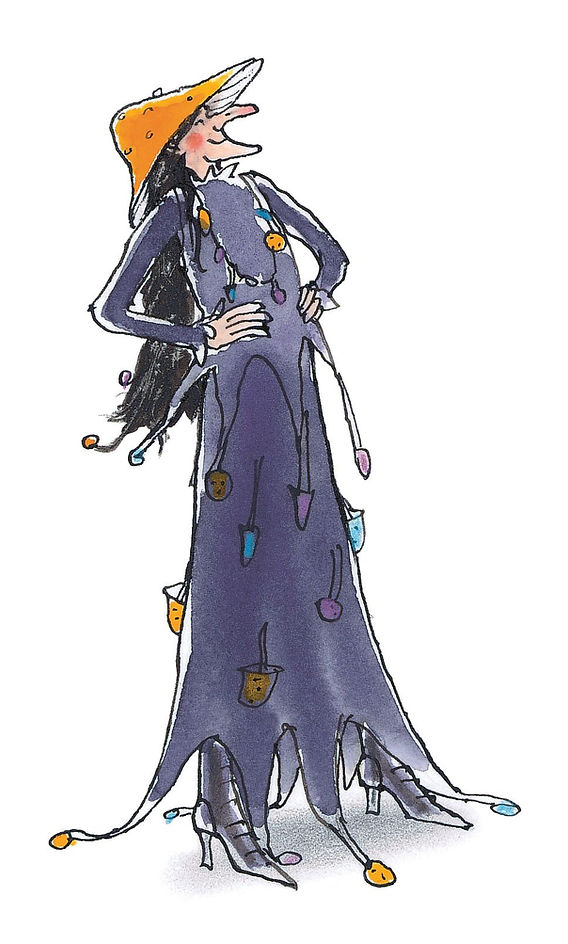
Verhalen van de Boze Heks – Hanna Kraan, illustrated by Annemarie van Haeringen (1990)
English translation: Tales of the Wicked Witch
In the first of nine parts, the reader is introduced to the Wicked Witch. Often found in a bad mood, the Wicked Witch is known to terrorize and bewitch every animal in her forest. One day, the animals are over it and decide to trick the Wicked Witch into leaving the forest. But soon after she leaves, the animals find themselves bored. What is left to do in the forest without the witch?
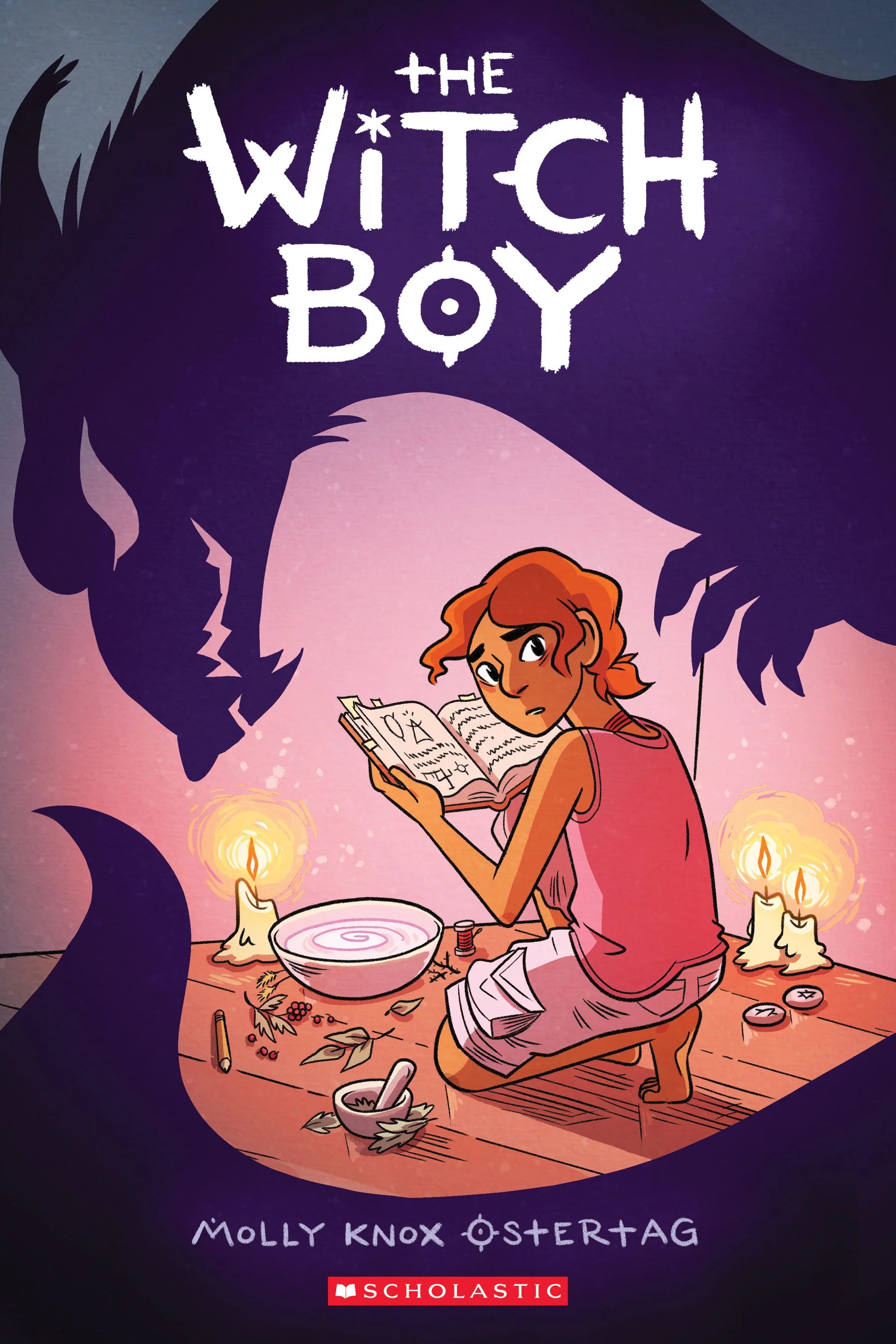
The Witch Boy – Molly Knox Ostertag (2017)
Playing around with stereotypes, gender expectations, and witchery, theis first book ofin the three-part series introduces its main character, Aster. In his family, girls are trained as witches, while boys become shapeshifters. Aster is unable to shapeshift, but he feels himself pulled towards Witchcraft. In secret, he starts practicing; b. Because who decides that a boy cannot be a witch anyway?
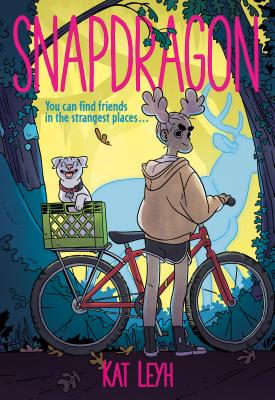
Snapdragon – Kath Leyh (2020)
This graphic novel tells the story of Snap. In her town lives a woman whom people believe to be a witch. Snap starts helping her, which leads to a story full and with that starts a story of unexpected magic, family history, and friendship.
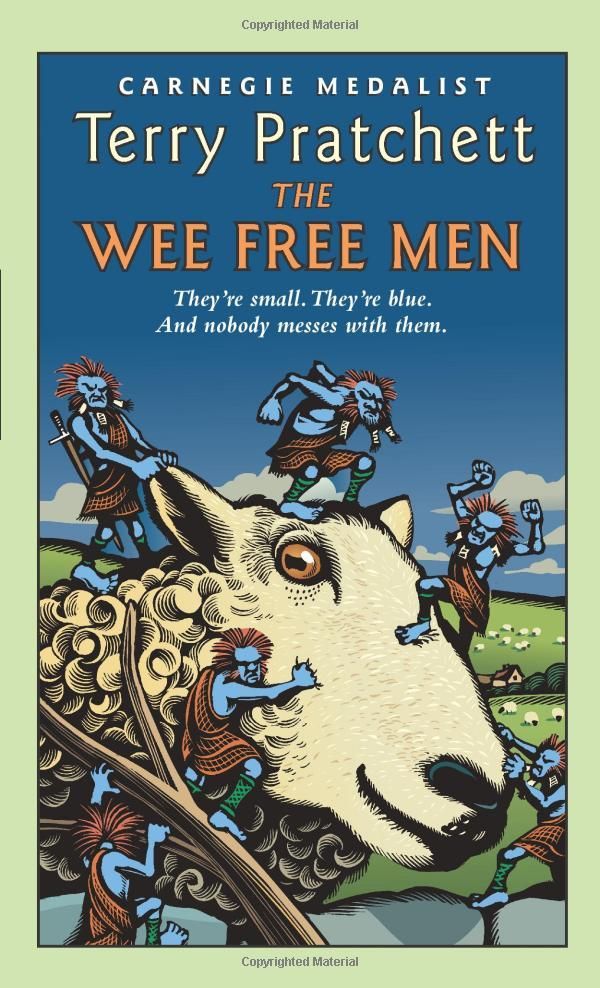
The Wee Free Men – Terry Pratchett (2003)
The nine-year-old Tiffany Aching, who lives on the Discworld, suddenly finds herself fighting the monster in the creek behind her house, who is trying to steal her little brother. Throughout the novel, she discovers that she may be capable of more than she thought and could be trained to be a witch, just like her grandmother was. The language and style are hilariously British, and Pratchett heavily relies on intertextual references to common themes and fairy tales, which make this novel very enjoyable for readers who are looking for a witchy story with a new twist.

The House with Chicken Legs – Sophie Anderson (2018)
This Baba Yaga retelling follows the twelve-year-old Marinka. Her only playmate is her house with chicken legs, but Marinka yearns for a real friend. Maintaining a friendship, however, is difficult because she is busy being trained as a Yaga. When she breaks the rules to have a real friend, she suffers scary consequences. Her grandmother disappears, and it is up to Marinka to find her.
Which other witches do you want to share with us and our readers? Let us know in the comments how witches are represented in your language’s literature!
 SLIDING MAGAZINE
Leave a comment