

This curated feature introduces ten anime series that transform science, history, language, and life skills into gripping visual stories. From Parallel World Pharmacy’s heartfelt medical lessons to Steins; Gate’s thrilling exploration of time and consequence, each recommendation highlights how anime can make complex ideas engaging, accessible, and deeply personal for young audiences.
In classrooms where learning often follows a single, predictable path, curiosity can fade before it truly blooms. Children are quick to notice when lessons feel like checklists, stripped of wonder and connection. But beyond textbooks lies a world where history is an adventure, science is survival, and even microbes have personalities. Anime—rich with stories that weave facts into emotions—offers a fresh way to make learning feel alive. By combining visual storytelling, relatable characters, and captivating worlds, these series transform complex ideas into experiences children want to explore. They create emotional bonds with knowledge, inspiring young viewers to ask questions, think critically, and see learning as something to chase, not just receive.
Literacy unfolds in many forms—through curiosity, emotion, science, and storytelling. Literacy isn’t confined to ink and paper—it can be lived, watched, and felt. These ten anime take viewers on journeys that make learning vivid, emotional, and unforgettable, looking beyond inked pages into worlds where learning pulses vividly.
While “Top 10” lists are the norm, I chose these particular ten because each brings a unique kind of literacy to the table. From health sciences to artistic expression, cutting any one of them would have meant losing a perspective that makes this collection whole.
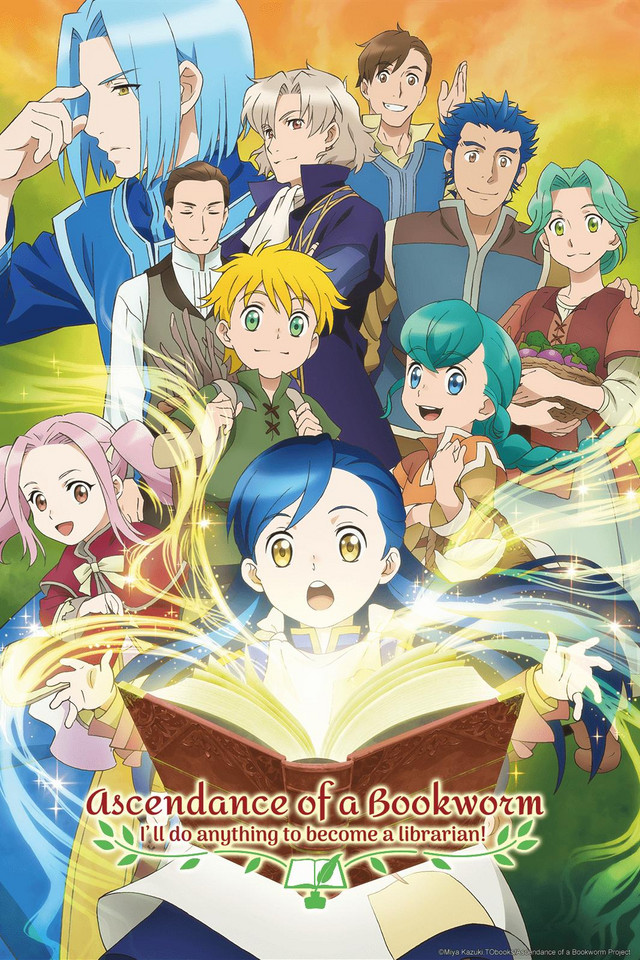
1. Ascendance of a Bookworm — Age 10+
Where to watch: Crunchyroll, Netflix, AnimeLab
A bibliophile reincarnated into a world without books finds ingenious ways to create them. Her passion fosters literacy in a land built on scarcity and imagination.
Educational value: Illuminates literary creation, resourcefulness, and passion for knowledge.
Type of literacy: Media & Information Literacy
Every book lover will see themselves in this anime. I kept nodding along because it shows just how far we’d go to hold on to stories, even in a world without books.
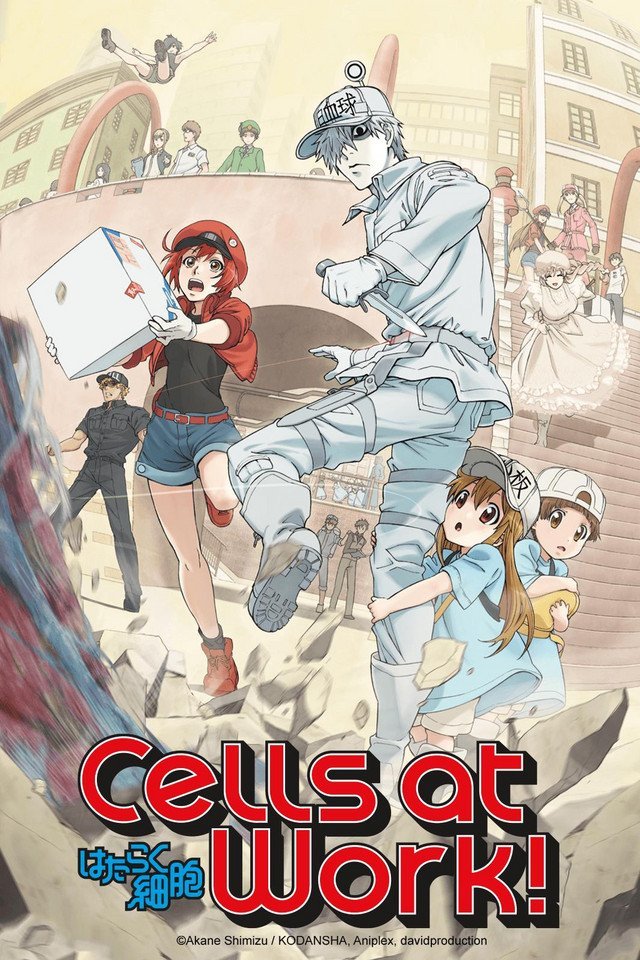
2. Cells at Work! — Age 10+
Where to watch: Netflix, Amazon Prime
Within the human body, anthropomorphic cells navigate threats, mend injuries, and keep germs at bay. It’s immunology as adventure, with endearing red blood cells and stern white blood cells embodying biological functions we usually ignore or overlook.
Educational value: Demystifies biology through vivid character-driven storytelling.
Type of literacy: Biological & Health Literacy
This one always makes me smile—who knew I could get attached to a red blood cell? It’s adorable, funny, and sneakily teaches you how your own body works.
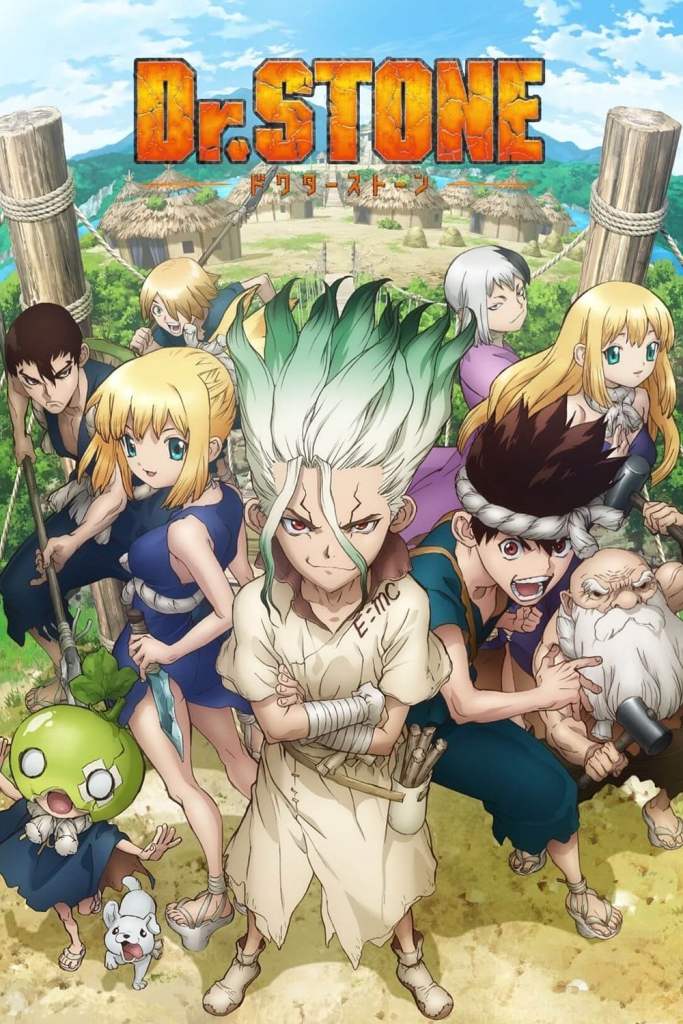
3. Dr. Stone (2019–2025) — Age 12+
Where to watch: Crunchyroll (global), Netflix (select regions including India/US), Prime Video, Hulu (availability varies); Disney+ Hotstar in India/SE Asia; updated episodes streaming exclusively on Crunchyroll for Season 4
After humanity is petrified, brilliant Senku and his friend Taiju awaken to rebuild civilisation—from harnessing electricity to forging steel through trial and triumph. Their inventive spirit brings the scientific method to life.
Educational value: Makes hands-on STEM exploration thrilling and emotional.
Type of literacy: Scientific & Problem-Solving Literacy
This anime is so close to my heart that I ended up writing my thesis on it. It is fascinating to watch Senku rebuild things from almost nothing to what it was in the current evolved world, with all the information that he knows through his memory and through trial and error. If you love curiosity, experiments, and the thrill of rebuilding the world from scratch, this one’s for you.
4. Barakamon — Age 12+
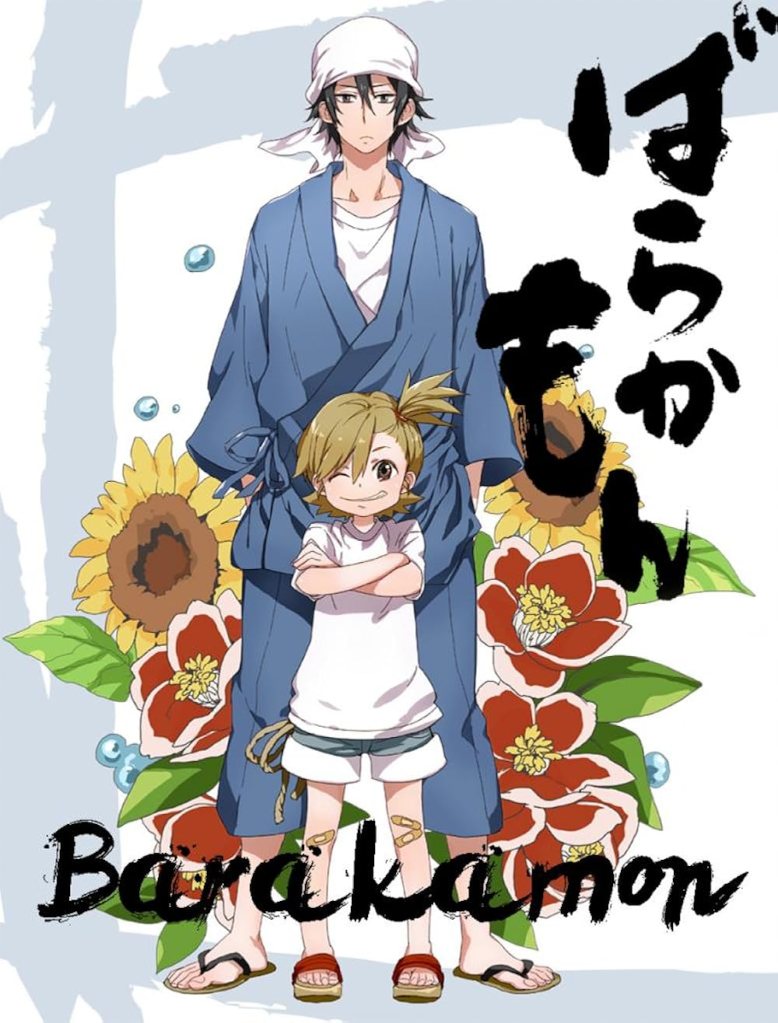
Where to watch: Crunchyroll, HIDIVE, Netflix (select regions)
A frustrated calligrapher moves to a remote island and reconnects with his art through the warmth of local villagers, especially a lively child. Creativity blooms through community and quiet moments.
Educational value: Cultivates artistic expression, mindfulness, and emotional growth.
Type of literacy: Artistic & Emotional Literacy
This is one of the gentlest, most heartwarming anime I’ve seen. Watching the main character rediscover creativity in a small community feels like a reminder to slow down and breathe.
5. Parallel World Pharmacy (2022) — Age 13+
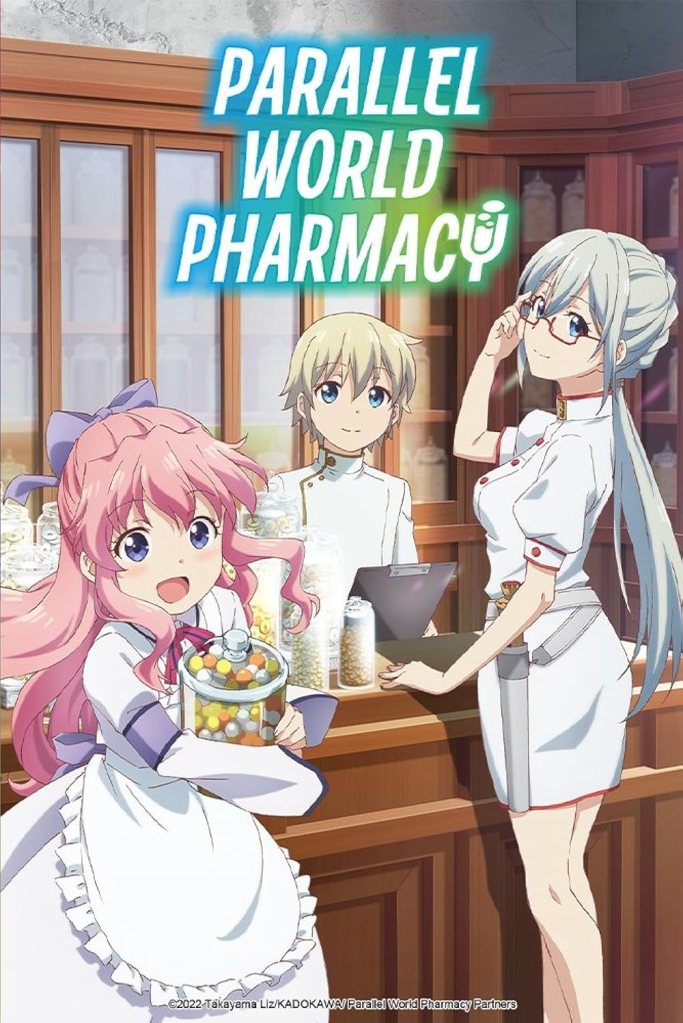
Where to watch: Crunchyroll (sub & dub), Prime Video (purchase only); free via Muse Asia (Asian countries)
Reborn into a medieval realm as Farma de Médicis, a genius pharmacologist uses divine-powered chemistry and modern medical know-how to revolutionise healthcare for both nobles and the common people. With every prescription and ethical dilemma, viewers learn about anatomy, pharmacology, and the power of equitable care.
Educational value: Makes modern medicine accessible through a heartfelt narrative.
Type of literacy: Health & Scientific Literacy
I’ve rewatched this one more times than I can count—it’s such a comfort show for me. I love how it makes medical ethics and science feel deeply human. It’s perfect if you enjoy stories where knowledge is not just power, but compassion too.
6. Silver Spoon — Age 13+
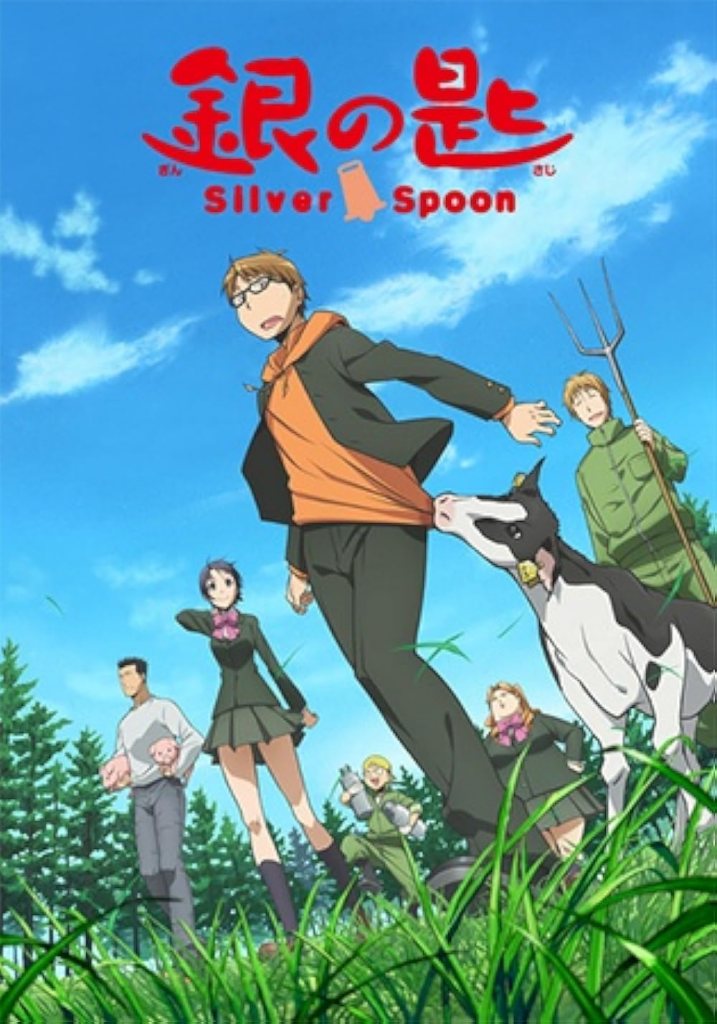
Where to watch: Netflix, Crunchyroll (region-dependent)
From city life to agricultural school, a teenager learns that livestock, soil, and machinery teach empathy and responsibility in ways textbooks can’t. He discovers that food systems and ethics are deeply rooted in rural reality.
Educational value: Explores sustainable farming and ethical living through personal growth.
Type of literacy: Agricultural & Environmental Literacy
I didn’t expect to get emotional about farming, but this show proves that food systems are about people as much as produce. Great if you’ve ever wondered where your food really comes from.
7. The Great Passage — Age 13+
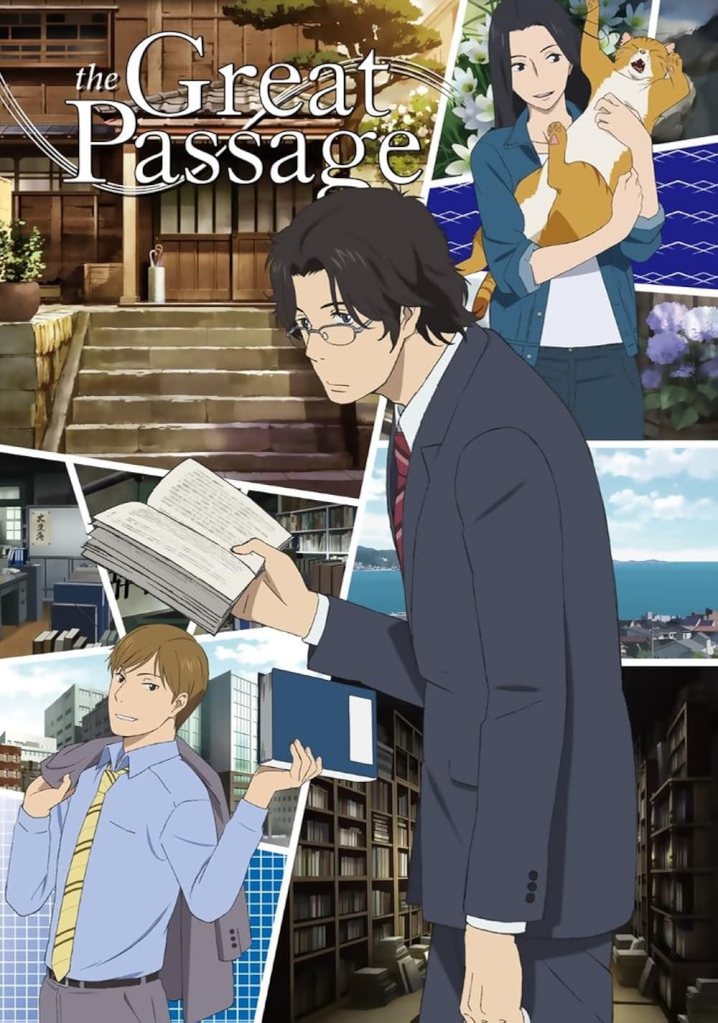
Where to watch: Limited availability; specialised platforms.
A lexicography team painstakingly crafts a dictionary that reflects nuance, history, and empathy. Through each carefully chosen definition, viewers experience the depth of language and human stories intertwined.
Educational value: Highlights language precision and cultural connection.
Type of literacy: Linguistic & Cultural Literacy
As someone who loves words, I found this show quietly moving. Watching people pour their hearts into making a dictionary shows how language shapes our world in ways we barely notice.
8. March Comes in Like a Lion — Age 15+
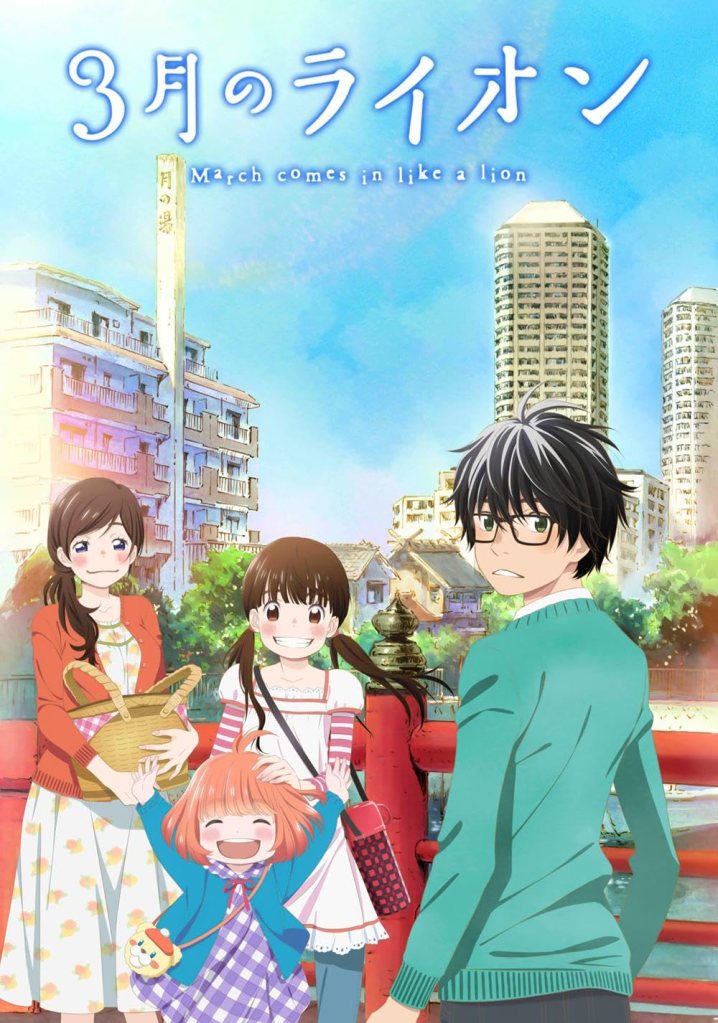
Where to watch: Crunchyroll, Netflix (regions vary)
A teenage shogi prodigy navigates grief, isolation, and pressure—but finds solace and connection in a family of three caring sisters, and in the strategy of the game itself.
Educational value: Offers a profound meditation on mental health, resilience, and belonging.
Type of literacy: Emotional & Social Literacy
This series is heavy but beautiful. It reminded me how powerful kindness can be in the middle of loneliness. I’d recommend it if you’re drawn to stories that heal as much as they challenge.
9. Steins; Gate — Age 15+
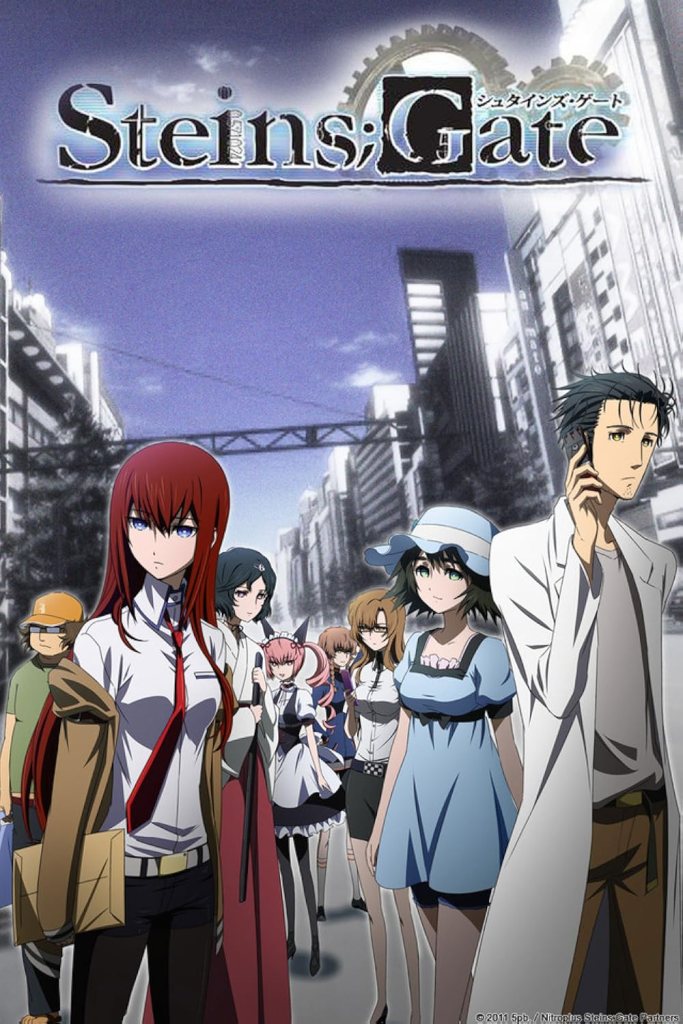
Where to watch: Crunchyroll, Hulu, Funimation
An accidental time machine thrusts a self-styled mad scientist into the chaos of time paradoxes and ethics. Science fiction becomes a gripping exploration of cause, consequence, and choice.
Educational value: Engages with physics concepts and philosophical dilemmas through suspense.
Type of literacy: Digital, Scientific & Philosophical Literacy
This is the anime that kept me up at 3 a.m. binge-watching. It’s suspenseful, clever, and makes you feel the weight of every choice. Perfect for anyone who likes time travel and moral dilemmas.
10. Shōwa Genroku Rakugo Shinjū — Age 16+
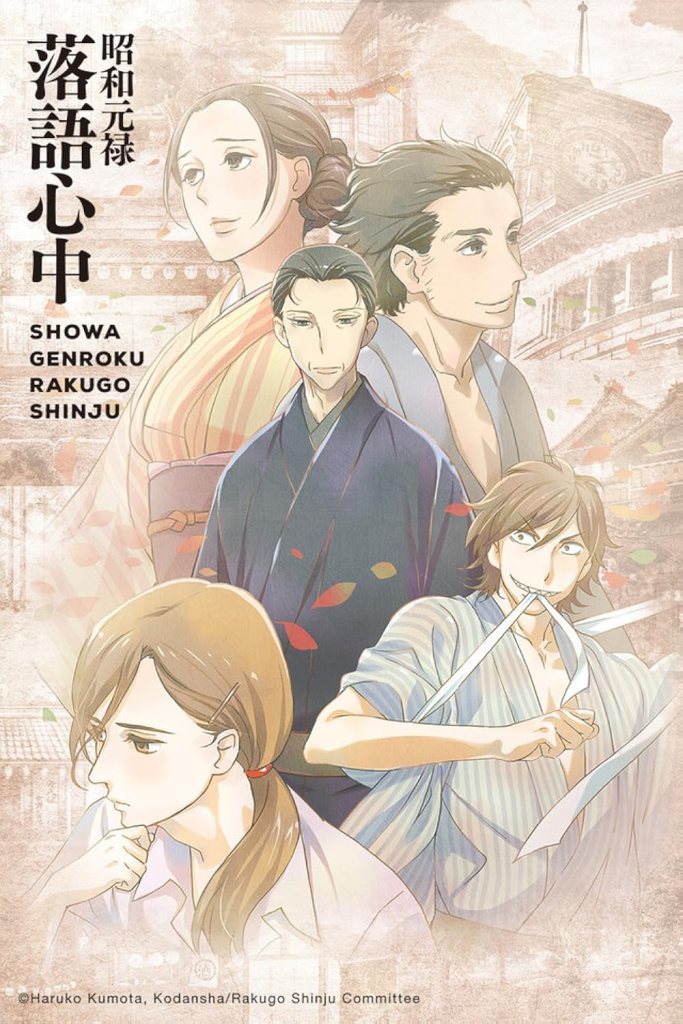
Where to watch: Crunchyroll, Funimation
Two storytellers—one ageing master and his successor—keep alive the art of rakugo, a traditional oral performance. Their lives unfold in humour, tragedy, and reflection.
Educational value: Preserves the history and emotional depth of the performing arts.
Type of literacy: Performing Arts & Cultural Literacy
This one’s not fast-paced—it’s like sitting down to listen to an old storyteller. But it’s rich, emotional, and gave me so much respect for keeping cultural traditions alive.
When learning is reduced to rote memorisation, children often see education as a chore rather than a tool for empowerment. The anime in this list show that knowledge is not static—it’s a living thing, shaped by curiosity, persistence, and imagination. By presenting ideas through gripping stories, vibrant imagery, and relatable characters, they help children absorb concepts in ways that feel personal and exciting. The more a child connects with what they learn, the more likely they are to seek out information on their own, building the habits and skills that form the heart of lifelong literacy. For me, writing this list was also a trip down memory lane—remembering the shows that made me laugh, think, or even cry while teaching me something new. Some I came across on my own and decided to give a chance, and some were recommendations from friends that I hesitated to check out, but then I loved. That’s why I believe anime doesn’t just entertain; it inspires us to see learning as part of everyday life. People believe that since it’s animated, adults can’t watch it, but I believe that anime can be seen by anyone, no matter how old you get. You’d be surprised how much you can learn!
Bibliography
- Crunchyroll (n.d.) Ascendance of a Bookworm. Available at: https://www.crunchyroll.com/
- Crunchyroll (n.d.) Bakuman. Available at: https://www.crunchyroll.com/
- Crunchyroll (n.d.) Barakamon. Available at: https://www.crunchyroll.com/
- Crunchyroll (n.d.) Dr. Stone. Available at: https://www.crunchyroll.com/
- Crunchyroll (n.d.) March Comes in Like a Lion. Available at: https://www.crunchyroll.com/
- Crunchyroll (n.d.) Moyashimon. Available at: https://www.crunchyroll.com/
- Crunchyroll (n.d.) Parallel World Pharmacy. Available at: https://www.crunchyroll.com/
- Crunchyroll (n.d.) Shōwa Genroku Rakugo Shinjū. Available at: https://www.crunchyroll.com/
- Crunchyroll (n.d.) Steins; Gate. Available at: https://www.crunchyroll.com/
- NHK (2016) The Great Passage.
- Netflix (n.d.) Cells at Work!. Available at: https://www.netflix.com/
- Netflix (n.d.) Silver Spoon. Available at: https://www.netflix.com/
 SLIDING MAGAZINE
Leave a comment