

Children’s cookbooks are a budding but underexplored subsection of children’s literature. More attention should be paid to this subgenre to uncover messages related to the possibilities for children’s agency these books implicitly offer. Where some children’s cookbooks depict children at the service of adult interests or in need of adult protection, others construct the implied reader as a capable, culinary competent and social subject.
UNESCO (2025) understands literacy as a means of identifying, understanding, interpreting, creating and communicating in today’s world, taking in consideration the skills needed for this process to occur. Food literacy, then, refers to the proficiency in food-related skills and knowledge (Truman, Lane & Elliot, 2017), allowing people to make informed choices regarding their engagement with nutrition and health.
Children’s cookbooks, as an often forgotten but budding sub-section of children’s literature, carry important ideological messages related to children’s engagement with the food they encounter and consume. Cookbooks for children go beyond teaching the implied reader how to prepare and assemble a specific dish and tackle how children are positioned – and the value they hold – in society, in relation to other people and their environment.
Below are five types of children’s cookbooks with the respective image of the implied reader they construct, and the skills and knowledge they envision the children as possessing or potentially developing.
“Cookbooks for children go beyond teaching the implied reader how to prepare and assemble a specific dish and tackle how children are positioned – and the value they hold – in society, in relation to other people and their environment”.
1. Playful children among interactive books about food
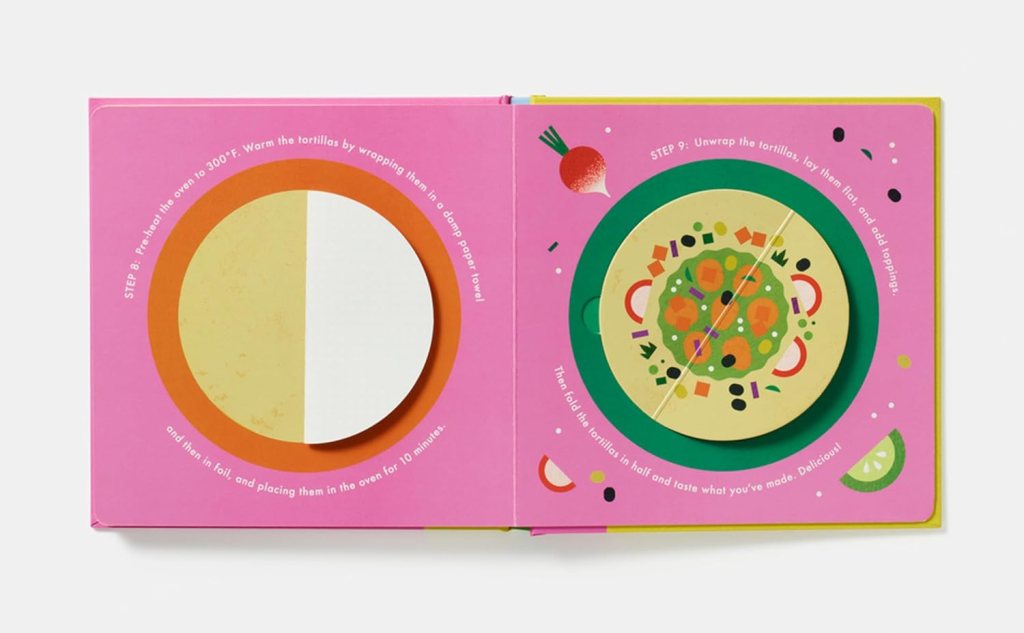
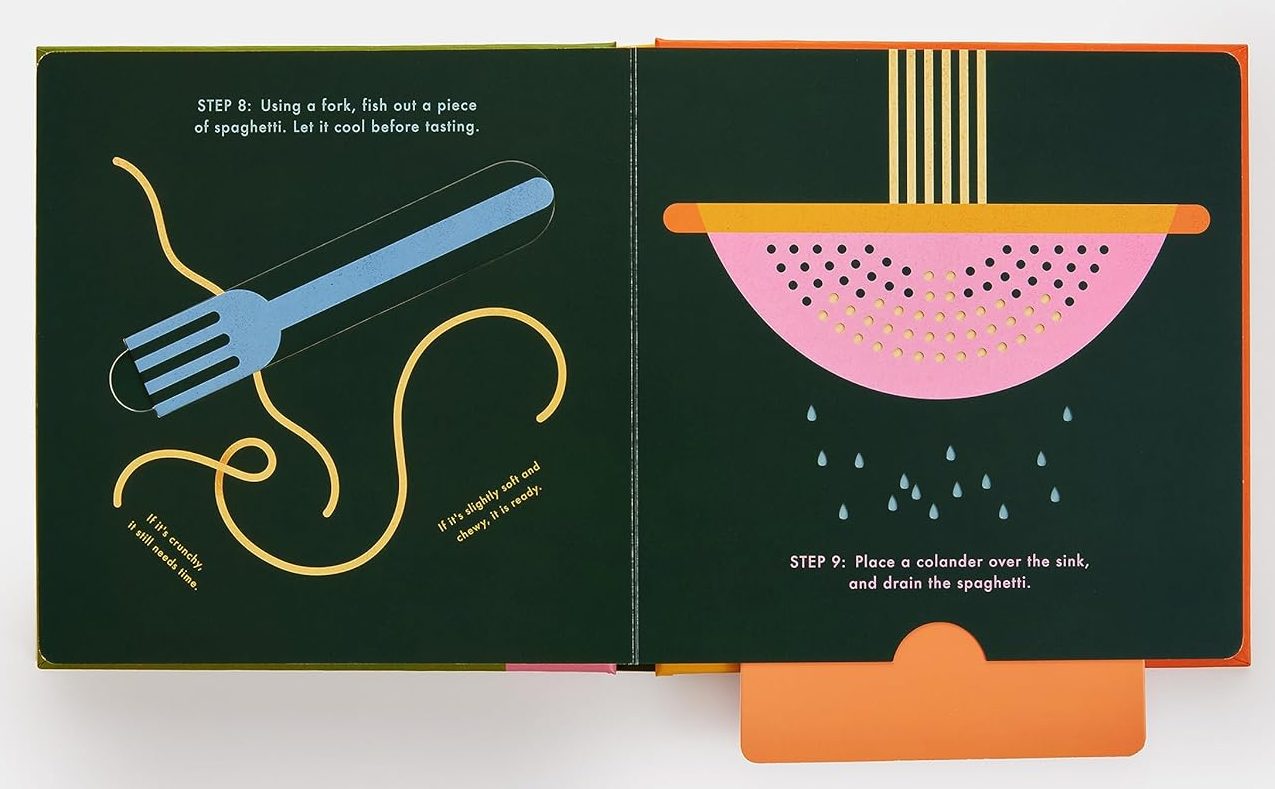
Children’s cookbooks can take on the form of a playful book-object in which interaction from its reader is key to building the narrative. Books with interactive affordances such as flaps to pull and doors to open can follow the process of creating a meal, inviting the child reader to participate in its preparation through print, as is seen in the images below corresponding to Spaghetti!: An Interactive Recipe Book (Nieminen, 2023). As a first encounter with the components of a recipe (ingredients, utensils and steps in the preparation), children can engage with and internalise the skills needed to then replicate this process in real-life, bringing play and cooking from the pages of the book to the kitchen table.
2. Children embedded in the economic market
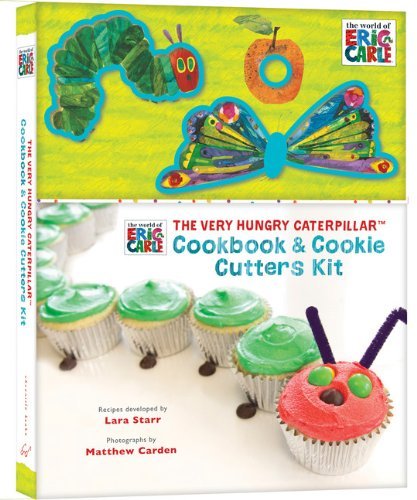
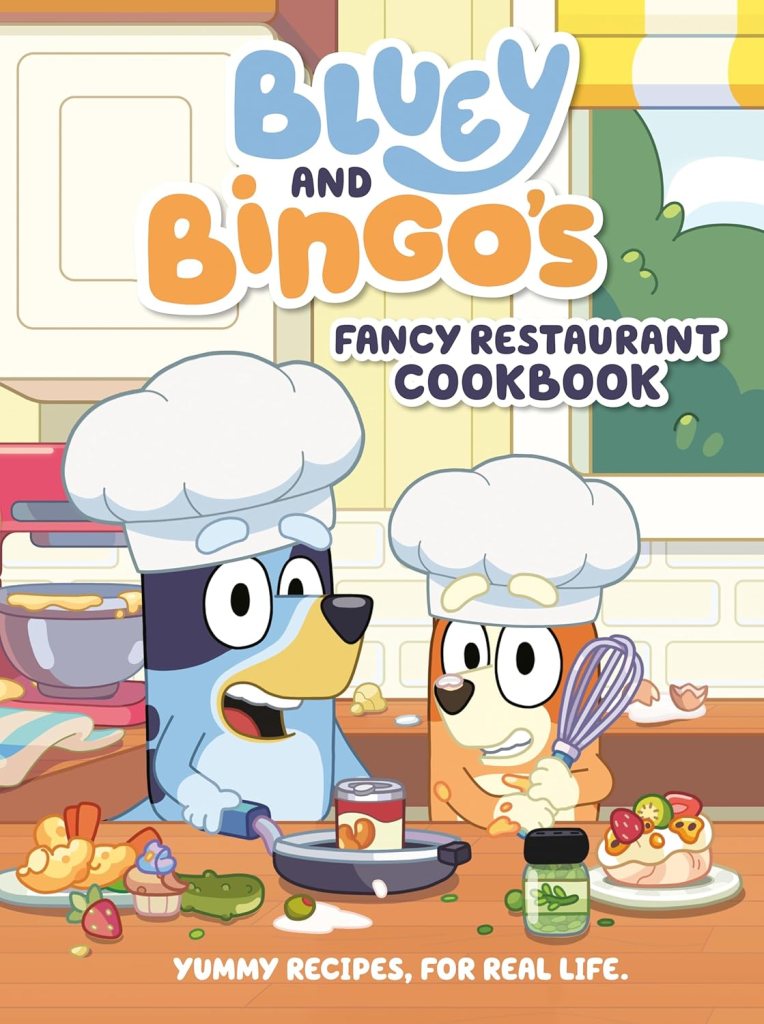
Many large-scale franchises have decided to develop derivatives from their bestselling picturebooks or book series, targeting child fans as their primary consumers. This is the case with the official and non-official cookbooks associated with the J.K. Rowling’s Harry Potter series, Eric Carle’s The Very Hungry Caterpillar, Disney princesses or the children’s blockbuster TV show Bluey. Sometimes loosely based on the media they aim to represent, these books see children as potential consumers. This image of the child can risk obscuring children’s agency in relation to their culinary abilities and potential, reducing them to mere vessels of the markets’ interests (even though it could be argued that children’s influence on the market is a form of agency).
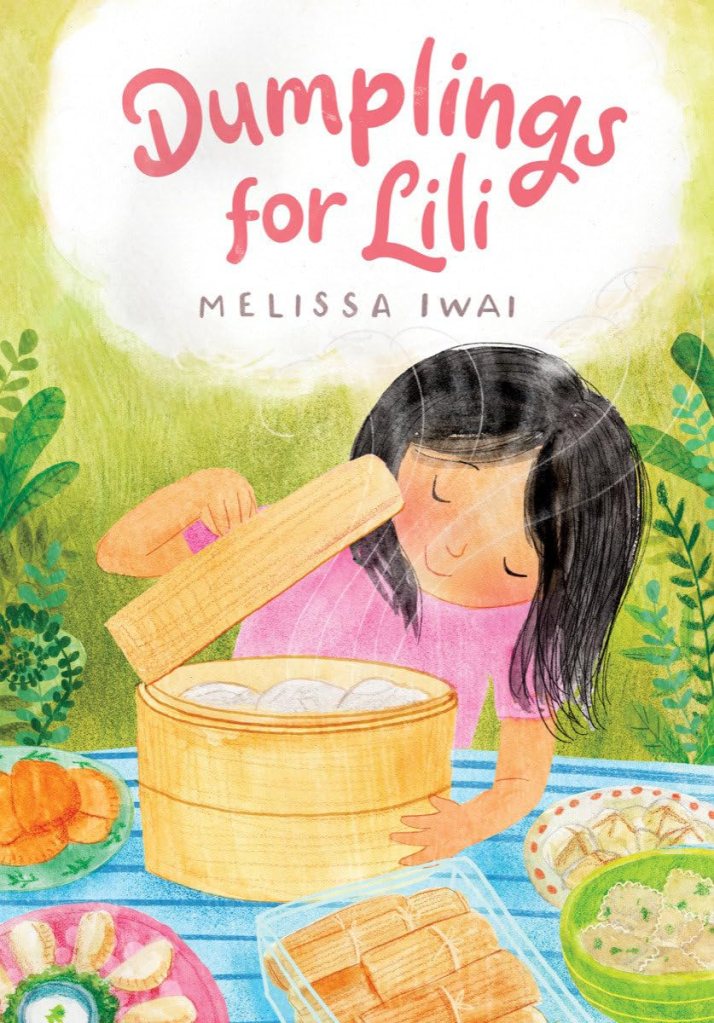
3. Literary and culinary competent children
Many picturebooks merge narratives with recipes. As Roxanne Harde puts it, “the narrative is as embedded in the recipe as the recipe is in the narrative” (2021, p. 28). These types of texts for children insert their readers in the narrative, while at the same time offering them the opportunity to engage with culinary terms and skills. While the narrative has an end, the possibilities it offers do not. Even after the story closes, children can carry the recipe into the kitchen, transforming the featured dish into a real-life activity that blends fiction and practice.
4. Children in a globalised and industrialised world
According to Keeling and Pollard (2020), post-World War II saw an implosion of children’s cookbooks that catered to new foodways, such as recipes from different cultural backgrounds or practical, “easier” recipes dictated by a new trend where large food corporations advocated for convenience foods. To this day, many children’s cookbooks offer a wide array of so-called “international” recipes that children can replicate, while they learn about the food offerings of other children around the world. On the other hand, children may strengthen their own identity when preparing dishes from their culture, influencing how they see themselves in relation to the world. At the same time, the domestic, gendered ideal of the elaborate meal enjoyed around a perfectly laid table in a formal manner is no longer the norm. Children’s cookbooks are not just aimed at girls but at children with an interest in cooking. Fun, creative and easy recipes such as no-bake treats or smoothies permeate these types of cookbooks.
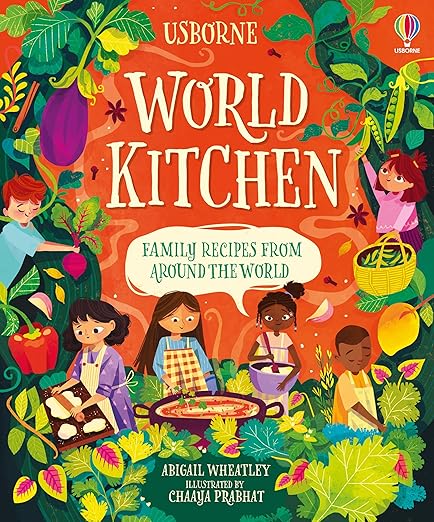
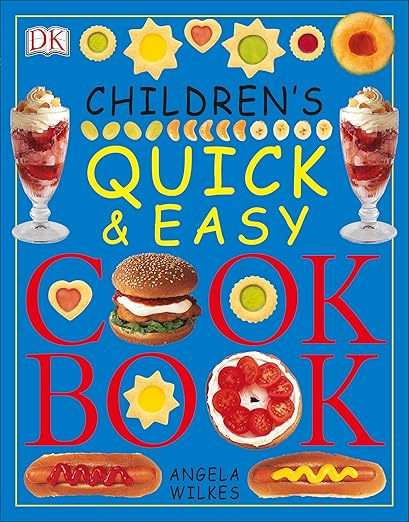
“the domestic, gendered ideal of the elaborate meal enjoyed around a perfectly laid table in a formal manner is no longer the norm. Children’s cookbooks are not just aimed at girls, but rather at children with an interest in cooking”.
5. Agentic, knowledgeable and culinary-competent child
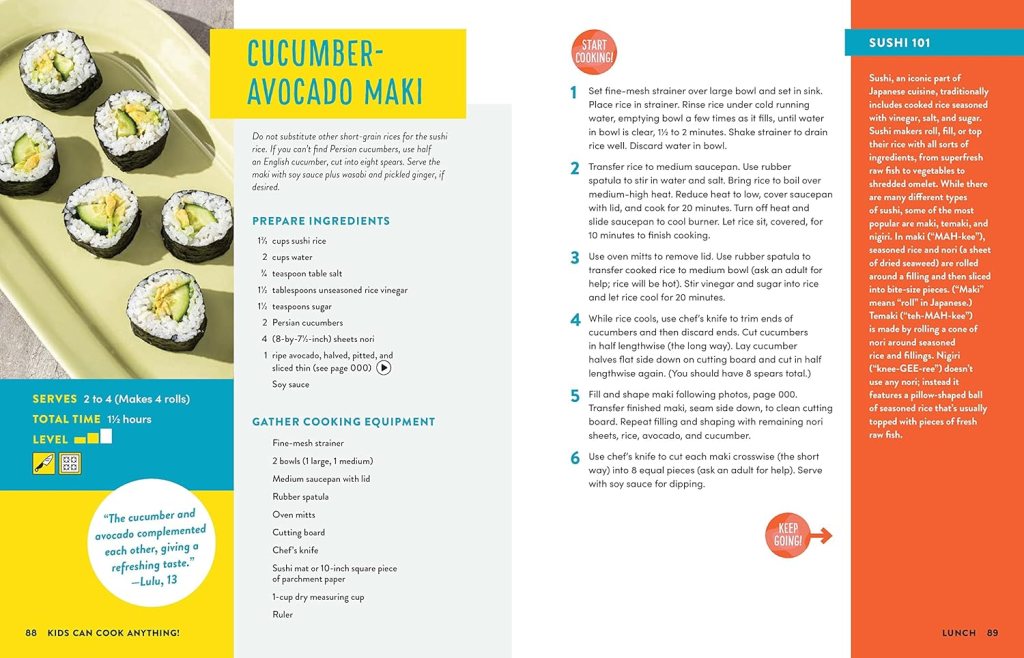
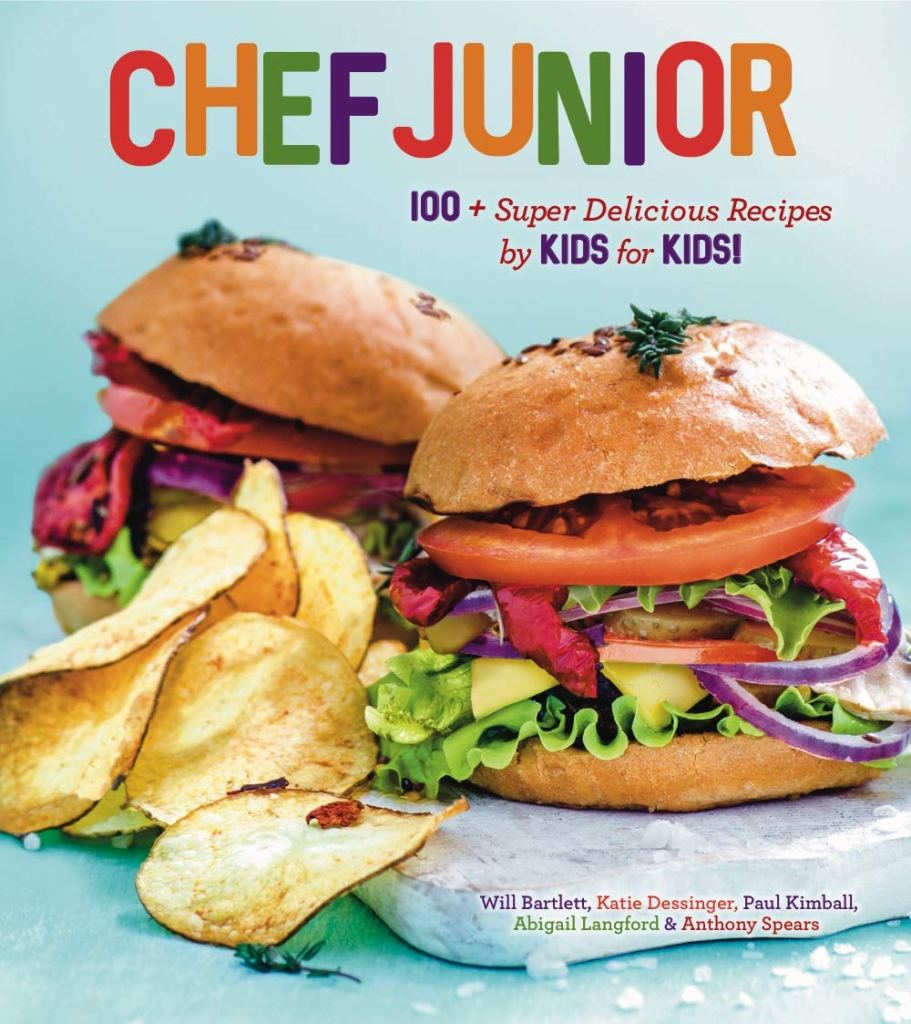
A cookbook aimed at children can construct an agentic implied reader; one that chooses what to prepare and has opinions on the flavour combinations or seasonings needed to accomplish a flavourful dish. In opposition to children’s cookbooks that address an adult figure primarily and where children are seen as “little helpers”, these books see the child as agentic and capable of developing the set of skills needed to become culinary competent. This does not equal seeing the child in isolation to their family and the rest of their world. Adults can – and should – still participate in the process with the children, offering help when needed and intervening when potential safety hazards arise, such as the use of fire and sharp objects, depending on the age and experience of the children. Not only adults in the family play a role in bringing the recipes in the cookbook to life. Some cookbooks envision the children as being in constant interaction with their surroundings including the different institutions and agents that contribute to the final product, such as farmers, greengrocers, fishmongers or supermarket vendors. This image of the child is seen in cookbooks where real-life children review the recipes included, cookbooks authored by children and cookbooks where children are directly addressed and seen as capable of incorporating the nutritional information they are given.
Bibliography:
- Harde, R. (2021). “The Flavors Mix Together Slowly”: Cooking Connections in Picture-Cookbooks. Bookbird, 59(1), 28-40.
- Keeling, K. & Pollard, S. (2020). American Children’s Cookbooks as Scenes of Instruction. Tracking Historical Shifts of Work, Play, Pleasure, and Memory. In K. Keeling and S. Pollard (Eds.), Table Lands. Food in Children’s Literature. University Press of Mississippi.
- Truman, E., Lane, D. & Elliott, C. (2017). Defining food literacy: A scoping review. Appetite, 116, 365-371. https://doi.org/10.1016/j.appet.2017.05.007
- UNESCO (2025, February 11). What you need to know about literacy. https://www.unesco.org/en/literacy/needknow#:~:text=Acquiring%20literacy%20is%20not%20a,and%20learning%20through%20digital%20technology.
 SLIDING MAGAZINE
Leave a comment