

Why literacy/ies for this first issue of SLIDING? Read the editorial note to explore this volume’s main concept and our position about it.
Literacy, in a very basic definition, refers to the set of rules and procedures taught in schools to read and write, and thus be able to participate as an active member of society. Reading and writing became central in the daily interactions of the modern world and, in consequence, anybody who would like to engage in different social spaces and aim for a better quality of life had to acquire these communicative skills (Kalantzis et al., 2016). Even today, marginalised groups without access to education, and thus literacy skills, are kept in a continuous cycle of exclusion.
Every 8th of September, UNESCO celebrates the International Literacy Day “to remind policy-makers, practitioners, and the public of the critical importance of literacy for creating a more literate, just, peaceful, and sustainable society” (UNESCO, s.f.). Reading and writing do make a difference in how we experience reality and engage with others. However, they are not the only practices that frame the way we participate in society.
Along with the development of new technologies from the twentieth century onwards, the concept of literacy evolved to refer to a wider set of communicative skills and practices mediated by the context in which they take place. Humans are social beings and, as such, we move in between different groups. Each one of those social spaces have their own specific rules and practices. For example, participating as a fanfiction writer in a fandom forum requires different modes of communication than watching a film in the cinema with friends or streaming as a gamer.
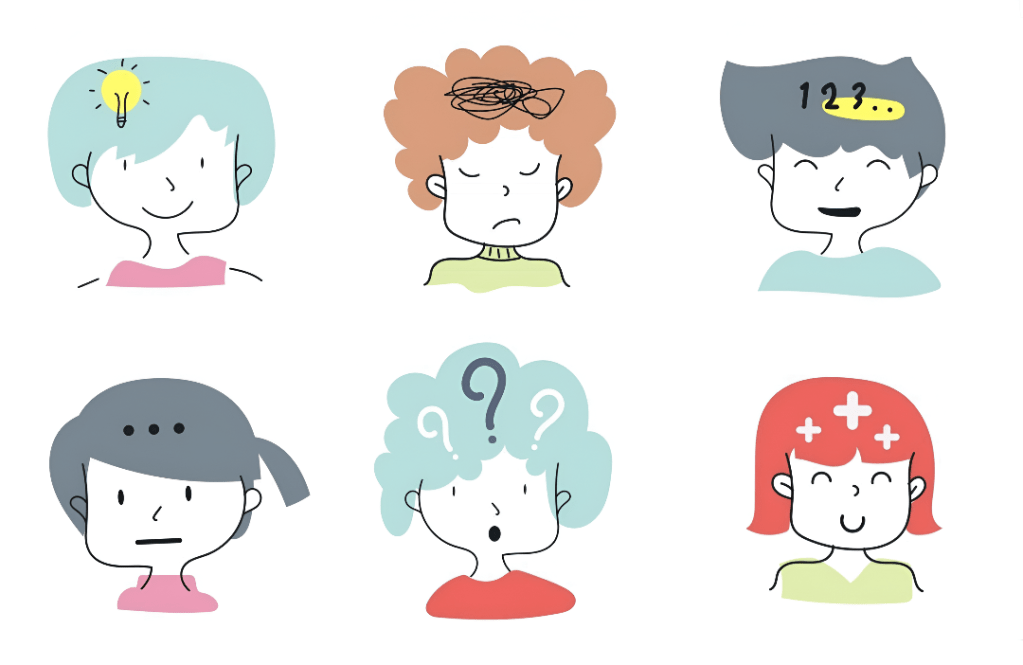
Literacy is now literacies. It is not about a universal set of rules about how to use language, but about several different meaning-making strategies in different contexts (Holme, 2004). Moreover, it is not only about oral or written language, but about spatial, visual and tactile, among others.
Why choose literacy/ies for our very first issue, then? We wanted to explore a glimpse of the variety of specific language practices and knowledges relevant for young people nowadays. Some of the featured articles of this edition delve into the potential of digital picturebooks for multiliteracy development, the ever-complex discussion about AI usage, the urgency of standing up for young people’s agency in today’s world, the skills set necessary to interact with films and anime, a exploratory approach to the use of space in writing and being, and more.
The multiplicity of social spaces, languages and skills necessary for engaging with our fast-paced society grows every day. Feeling confidence in exploring the unknown and learning about new modes of communication is crucial for children and adolescents to be active towards shaping their own space in society. Let’s not just support their acquisition of reading and writing skills, but also their curiosity and ability to take their place and defend their agency in this ever-evolving world.
Bibliography:
- Holme, R. (2004). Literacy. An Introduction. Edinburgh University Press.
- Kalantzis, M. et al. (2016). Literacies. Cambridge University Press.
- UNESCO (s.f.). International Literacy Day. https://www.unesco.org/en/days/literacy
 SLIDING MAGAZINE
Leave a comment