

Social media has profoundly influenced children’s animation. Doll brands started to include social media platforms and influencers into their content, much to the dislike of parents who worry about the glorification of likes and followers. In this article, four approaches from doll animations to influencer content are discussed.
Influencers and influencer marketing are highly present in the lives of children. YouTube content ranks high in children’s media consumption and influences children’s play, envisioning the content creator as a “virtual playmate” (Johansen 2021). Amid the discourse around children’s usage of smartphones and social media, doll brands have not only embraced the new technology but integrated it into their animated series. While their attitude towards influencers differs between various series, two main approaches are present. The animations either embrace the presence of influencers in daily life or they are highly critical. First, I will discuss two brands that take an embracing approach.
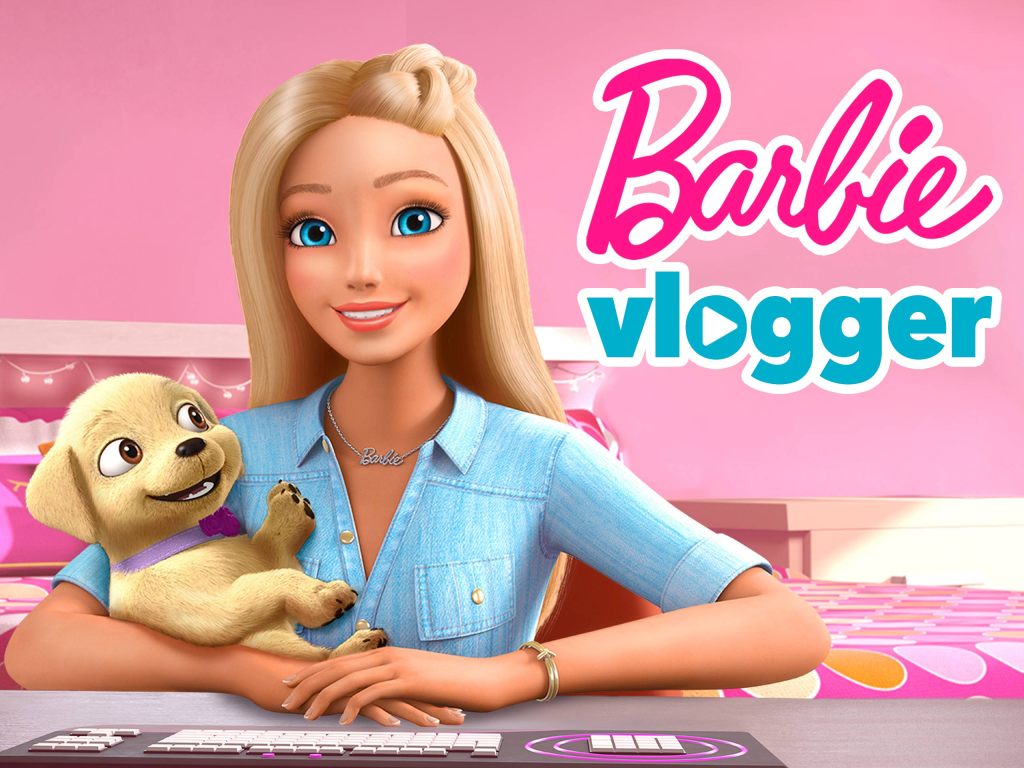
About a decade ago, Barbie started uploading Barbie Vlogs (2015-) on her YouTube channel. Barbie also plays around with various YouTube and TikTok trends and is seen doing food and dance challenges with her friends. The platform is used to educate the viewer about socio-political issues as well. For example, while sorting her clothes, Barbie explains that she has had the clothes for years and will be giving them to her sister or donating them. She discusses influential women, feeling sad, and invites other friends to talk about their cultures and experiences with racism. Compared to the three series that will be discussed later in this article, Barbie’s YouTube videos create a platform for entertainment and education. Through this variety, the brand takes an influencer-embracing stance, as it hints at the positive effects of influencer culture on its consumers.
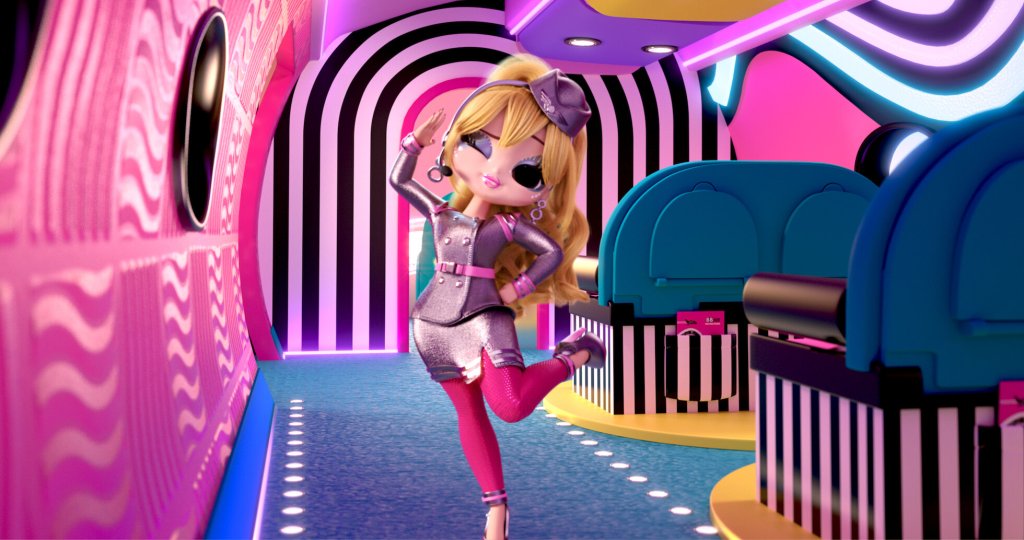
L.O.L. Surprise! House of Surprises (2021-) tells the story of a friend group that buys a diner full of surprises. The show only hints at the inclusion of social media and influencers in its world as the viewer is told that the main character Royal Bee is an influencer– amongst many other celebrity jobs. Other characters refer to what Royal Bee has posted, though the viewer never encounters the posts. Additionally, the characters are often seen being on their phone, taking photos and selfies. In one episode, a character named Trendsetter makes online videos and starts new online trends and fashion crazes. The videos she makes include YouTube classics such as Get Ready with Me, The Floor is Lava and Let’s Play. The episode revolves around the issue of staying new and innovative at any moment. Different from Barbie, where the influencer is the main character and the viewer can watch the online content, LOL Surprise! is less focused on social media culture. The series does not show the influencers to be more likeable or popular than the other creatives, it rather shows it as a secondary occupation or influencers as side characters who pass by in some episodes.
Netflix ©
Parents have expressed their concern about the glorification of influencers in children’s television and film. Especially Rainbow High (2020-) has been criticized for its focus on social media and followers. The show is repeatedly deemed “shallow” and inappropriate for the younger target audience. Parent and reviewer MissFrizz wrote: “Kids also don’t need to be worried about how many “likes” or “followers” they should have on any social media platform, but it focuses way too much on that” (“Parent and Kid Reviews on Rainbow High”). These comments miss the mark of the parodying aspect of these shows. Children start recognizing sarcasm around five years old and further grasp and distinguish the concepts of sarcasm and irony around nine to ten (Glenwright and Pexman, 2010). Still, it must be noted that there are variations in the age at which children understand irony. The series discussed in this article are rated suitable for ages seven and up. They show irony through intertextual references to situations and content that the viewer may recognize from other programs and social media content. The ironic approach becomes clear through the exaggerated situations and the, often negative, reactions of other characters.
In Rainbow High, digital media student Violet Willow posts her experiences on “The Vi Life”. With 500,000 followers, she acknowledges her influence by stating that she is “a platform”. From 2020 to 2023, “The Vi Life” videos were posted to the Rainbow High YouTube channel as an addition to the episodes, with the content focusing on interviews and school drama. In the episodes, the viewer is also introduced to Karma Nichols of “Kontent with Karma” who posted accompanying videos to Rainbow High in 2021. Karma’s videos include interviews with the show’s characters, reviews of the students’ work, and the reveal of students’ secrets.
However, the series does not illustrate an idealized perspective of social media and content creation. Rather, it explores various negative or unrightfully idealized sides of the job. Violet ridicules privacy law by having all her friends and peers sign a release form within seconds of meeting her, yet she has proven to struggle with the limits of privacy and trust. Violet starts with “#Drama” about her two friends who unknowingly date the same boy, changing the topic after her friend Bella Parker proclaims the two girls should be able to share their own story. Violet also posts about the expulsion of Bella. She argues “[i]t’s not private, she signed a waiver” and blames her friends for trying to “censor” her. Since Violet refuses to see the boundaries of trust she crossed, her friends post an embarrassing video of her on social media. Now having experienced an infringement of privacy herself, Violet takes the original video down. This topic is explored in her virtual content as well. At the end of episode eight, Violet posts a trailer for the upcoming episode called Bye Bye Bella and claims it will feature her expulsion. This video is not public on the YouTube channel, but Violet did upload an apology video three episodes later. She claims to have deleted Bye Bye Bella. Through this, Rainbow High acknowledges the popular “YouTube apology video” genre. In line with non-fictional YouTube apologies, Violet clearly tries to save herself and her channel first. To the viewer, this is visible by her confession that while it was wrong to post, she was excited over the number of views that the expulsion video got. After this, the situation is never mentioned again by the characters.
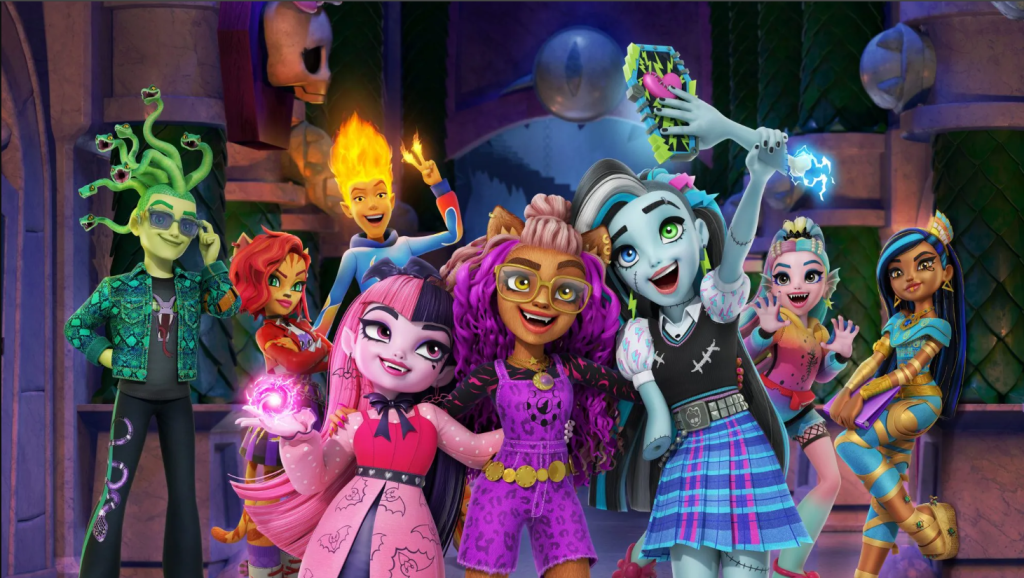
Neither social media nor satire are limited to human dolls. Monster High (2022-) follows a group of humanized monsters during their time at boarding school. The monsters love the fictional social media platform Eektok, an obvious parody of real-life TikTok. While the monster world outside of the school is not shown, there are social media influencers within the school. During a candy-selling challenge, protagonist Draculaura is asked to “shout out” candy on her Eektok in return for payment in candy. The viewers see that the majority of the school watches the video and buys the marketed candy. The show takes a comedic approach to discussing privacy and followers. A character is ridiculed for wrongly believing his account is private, a situation that is used by the main characters to gather information. Additionally, Cleo De Nile is jealous of Draculaura’s 90.000 followers and decides to refocus on a human target audience. When humans do not reply positively to her content, Cleo attempts to curse them. When the curse is lifted, she realizes that followers are not important. While social media does not play an equally big role as in Rainbow High, Monster High shows the influence of social media on high schoolers through satire and cartoonish plots.
Nickelodeon©
As discussed in this article, many of the newer animated television shows created by doll brands are welcoming to the idea of social media and influencers. The influencer portrayals are not as glorifying as argued by concerned adults but rather take a neutral or ridiculing approach. With this article, I do not mean to argue that the parental worries about the doll-inspired film and television series are ungrounded. However, the problematic aspects of the series are not based on the moral panic surrounding influencers. As an adult viewer, my worries are found in the portrayal of toxic friendships, bullying, and social pressure. These topics could be worth a discussion between parents and children or be of focus for critics. If the irony of like-obsessed influencers is not yet understood by the child viewer, the series can open conversations about their understanding of social media and influencer culture.
Bibliography
- Glenwright, M., & Pexman, P. M. (2010). Development of children’s ability to distinguish sarcasm and verbal irony. Journal of Child Language, 37(2), 429–451. https://doi.org/10.1017/S0305000909009520
- Johansen, S. L. (2021). Münster’s Inc.: Children as influencers balancing celebrity, play, and paychecks. In I. de la Ville (Ed.), Cultural and creative industries of childhood and youth: An interdisciplinary exploration of new frontiers (pp. xx–xx). Peter Lang.
- Common Sense Media. (n.d.). Parent and kid reviews on Rainbow High. Retrieved May 30, 2024, from https://www.commonsensemedia.org/tv-reviews/rainbow-high/user-reviews/adult
 SLIDING MAGAZINE
Leave a comment