

Children’s literature is brimming with food mentions, conveying messages related to identity, belonging and nationhood. Join this nostalgic journey back in time revisiting British literary classics and some of the most iconic, mouthwatering food scenes they depict. From delectable riverside picnics after a long day of sailing in The Wind in the Willows to an unexpected intruder devouring all the food in the house in The Tiger Who Came to Tea.
Children’s literature is brimming with food mentions, as any other type of literature is (Keeling and Pollard, 2009). More than a mere biological necessity, food acts as a cultural signifier in the literature in which it appears. The presence of food in children’s literature carries important ideological messages related to identity formation, nationhood, family values and appropriate ways of behaving in society (Daniel, 2006; Alston, 2008). Not only is food present in the literature aimed at children, but “writers continually hark back to childhood experiences of food even when the intended audience is adults rather than children” (Keeling and Pollard, 2009, p. 10). The links between nostalgia, food and literature cannot be overlooked, so here are five memorable food scenes from my personal childhood canon of children’s literature.
1. Lid potatoes by the fire in Joyce Lankester Brisley’s Milly-Molly-Mandy series:
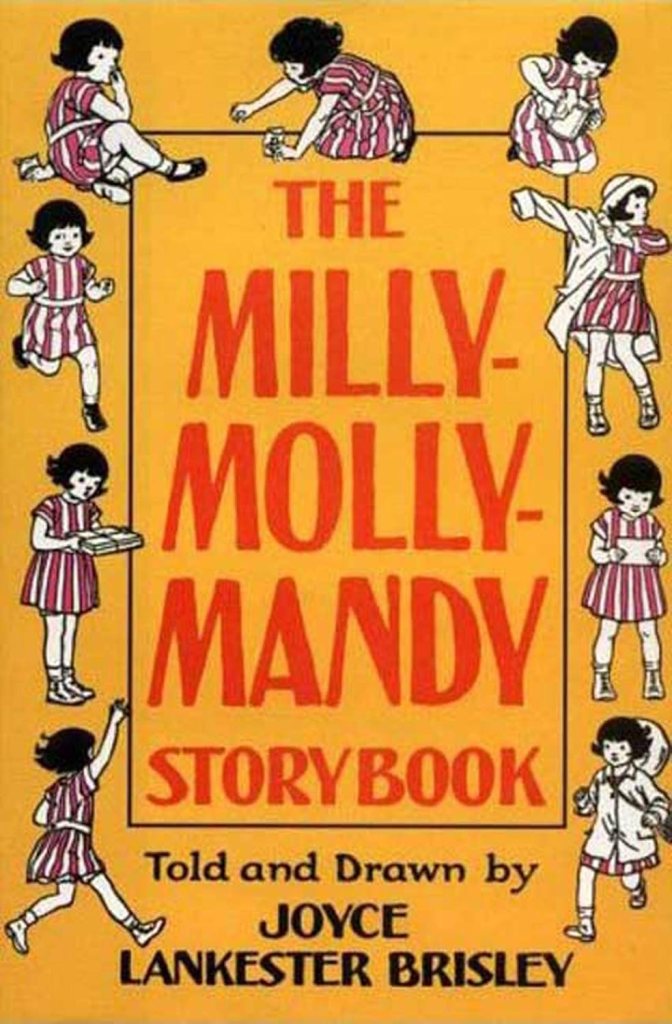
The originally published 1928 story collection of a young girl’s day-to-day adventures living in an English village is laden with various food events. Tea parties, picnics and blackberry picking are recurring themes in the stories. However, the scene that stuck the most to me, possibly due to its cosy imagery, is when Milly-Molly-Mandy invites her good friend Little Susan over for a sleepover after her previous plans backfire. The excitement of being able to continue spending time together rather than parting ways at the top of the street fuels their evening, which is characterised by sitting in front of the fire in robes, surrounded by pets whilst Milly-Molly-Mandy’s mother makes them lid-potatoes. The description of this dish is simple, yet mouthwatering for many readers alike. Two baked potatoes are taken out of the oven, their tops partly cut off and the filling scooped out so it can be mashed and seasoned with salt, pepper and plenty of butter. Then, the filling is pushed back into the skins of the potatoes and their tops are shut like lids. Maybe it is the overall atmosphere of warmth rather than the effortless meal, but lid-potatoes have managed to remain in this readers’ mind – and stomach – for over a decade.
2. An unexpected visitors’ feast in Judith Kerr’s The Tiger Who Came to Tea:
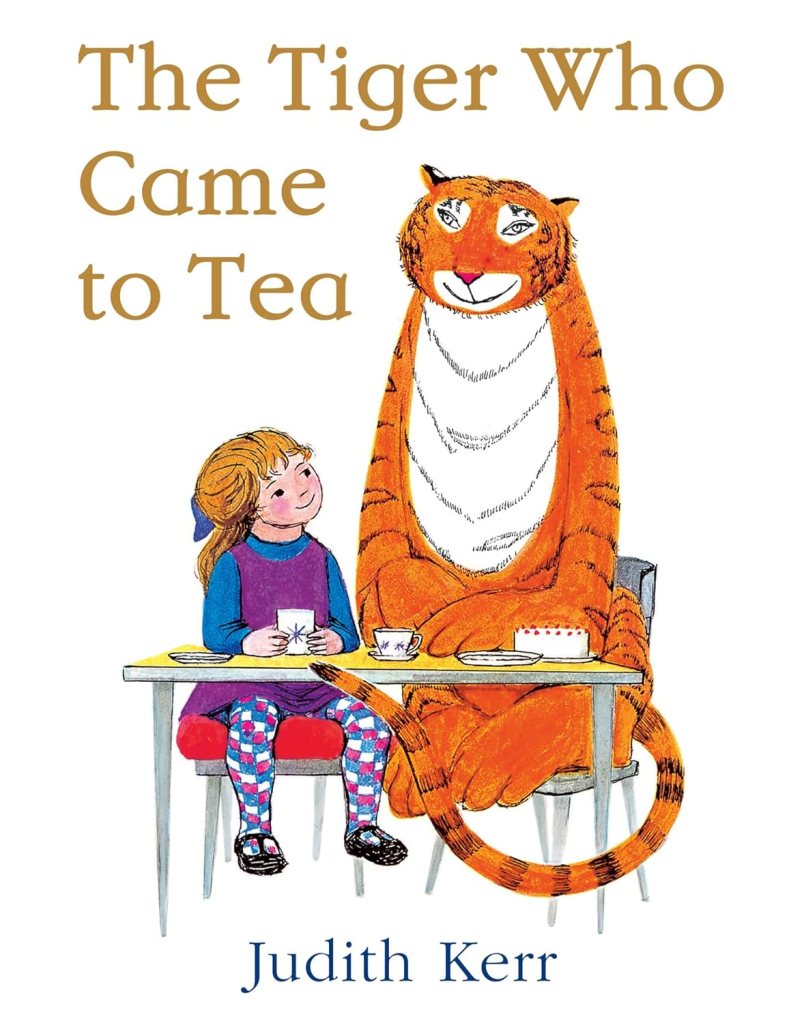
In this picturebook, Sophie and her mother are having tea (dinner or supper, in British English) when the doorbell rings. It is no other than a tiger, and a famished tiger at such. He, very politely, invites himself in for some food which Sophie and her mother agree to without averting on the fact that a wild animal is sitting at their kitchen table. Not only does the tiger accept all the food offerings from his hosts: buns, sandwiches, milk and tea – but he gobbles up the food that was being cooked, the food in the fridge, the tins in the pantry and drains the water from the tap. After he leaves, there is no more food left in the house and the family, now with the dad back from work, head to the café down the road for a special meal – which is probably the most memorable part of the book for me. Whether it is the mysterious tiger who disappears without further explanation, or the special impromptu dinner that the family of three enjoys, that has allowed this food-oriented book to stay with me.
3. A quintessential British picnic in Kenneth Grahame’s The Wind in the Willows:
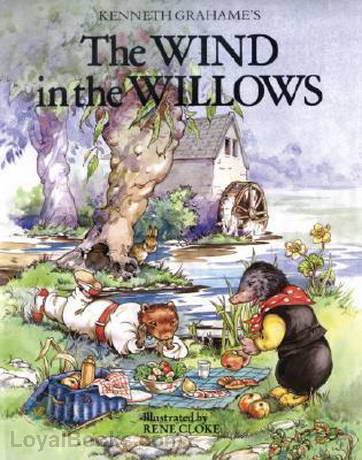
The opening chapter of Grahame’s fantastical animal novel, concerns an abundant waterside feast. Upon discovering the bank of the river, Mole meets the Water Rat (Ratty) who takes him on a ride on his boat, accompanied with a “fat, wicker luncheon-basket” (Grahame, 1908, p. 8) filled with an assortment of cold meats, salad, breads, ginger beer and lemonade – even tongue made the cut! The creatures enjoy the picnic on the bank of the river after an exhausting morning of spring cleaning and river sailing. The feeling of indulging in a succulent assortment of picnic food after a long days’ work is one that I am sure a lot of readers can relate to.
4. Pasta puttanesca in Lemony Snicket’s The Bad Beginning:
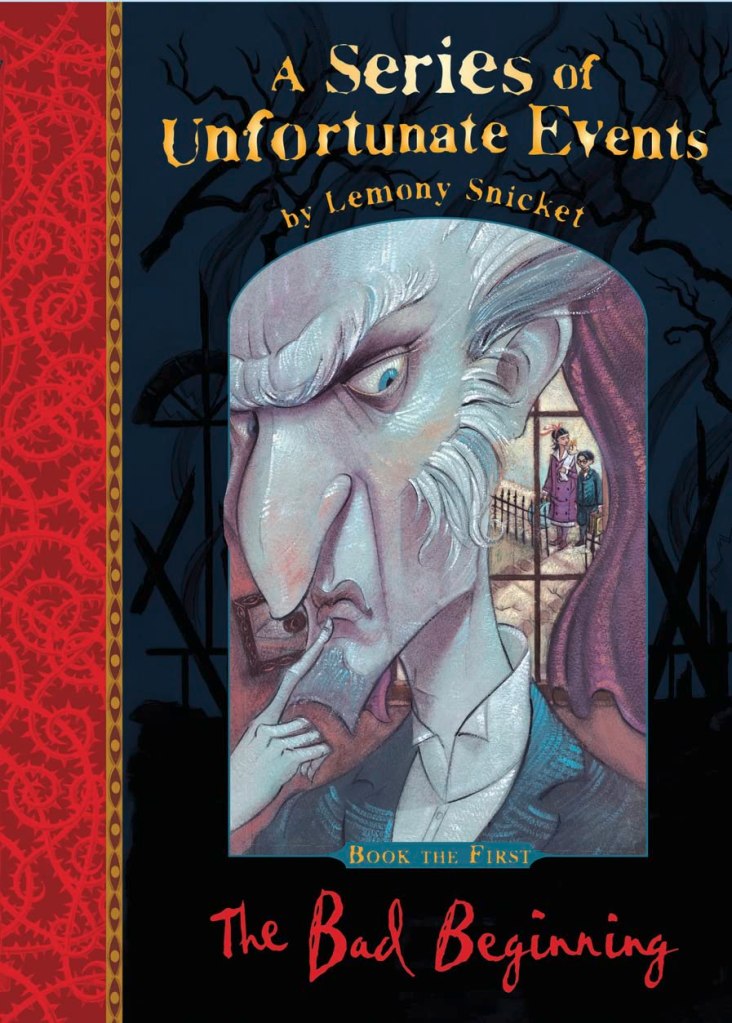
When I was around 10 years old, I encountered A Series of Unfortunate Events through its movie adaptation. Then, I read some of the books in the series and revelled on the wit, resilience and resourcefulness of the Baudelaire children. One of the most memorable moments from my reading and viewing experience was when Count Olaf, the children’s evil caretaker, tasks them with making dinner for his theatre crew. The children find an appealing recipe for Italian pasta puttanesca and prepare it in Count Olaf’s inhospitable kitchen. The recipe consisting of a pasta dish with a tomato, garlic, anchovy, caper and olive sauce sprinkled with some fresh parsley, does not however end up being a success among its evil diners. Despite the scene ending with violent undertones, the way in which the children manage to make the best of their circumstances and create a homecooked dish together is worthy of remembering.
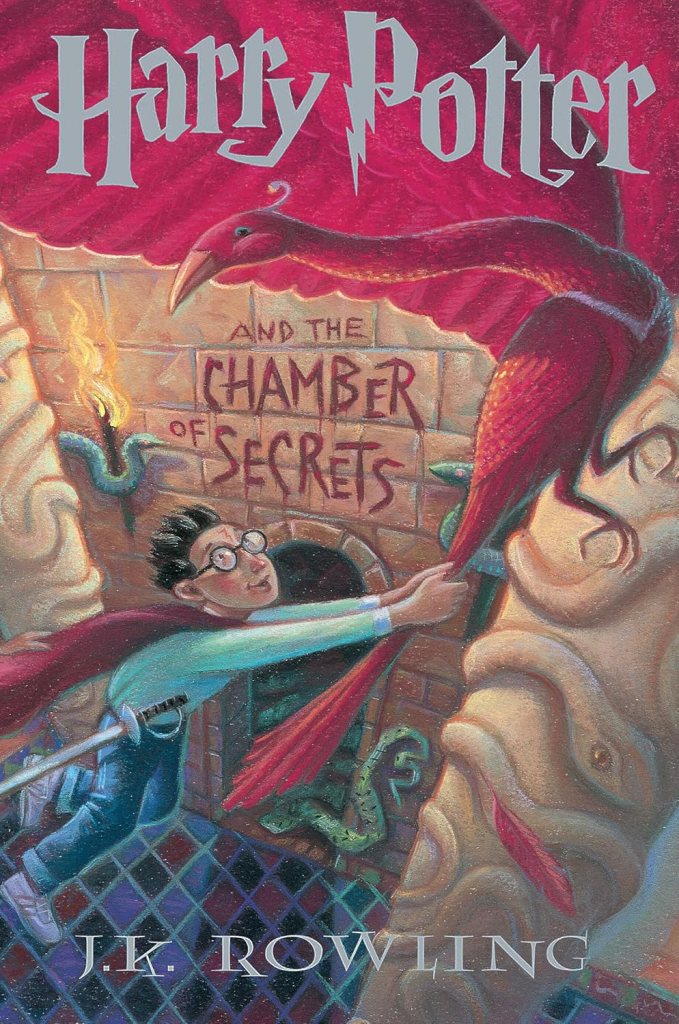
5. A delectable breakfast in J.K. Rowling’s Harry Potter and The Chamber of Secrets:
It was not until my twenties that I first read the books in the Harry Potter series, influenced by many friends that were lifelong fans and kept referencing it on different occasions. Mentions of food abound in the series, from Hogwarts feasts to Hagrid’s cake for Harry’s birthday. Nevertheless, a memorable food scene occurs after Ron and his siblings pick up Harry from his confinement at the Dursley’s in a flying car. Mrs. Weasley, angry as can be, scolds the children but does not spare on a proper breakfast fry up to fuel the young wizard’s energy levels. The homecooked breakfast includes sausages, fried eggs, bread and butter that the family, plus Harry, enjoys in their own homely, chaotic manner.
These five delicious literary scenes comprise a minuscule sample of the many literary works that reference food and the practices surrounding it. In this case, the texts the feasts are taken from resonate with my childhood, influenced by British literature. However, I have no doubt that readers across the globe can reference their own scrumptious food scenes that they remember reading when growing up. Which children’s literature food scene whetted your appetite when you were a child?
Bibliography
- Alston, A. (2008). The Family in English in Children’s Literature. Routledge.
- Daniel, C. (2006). Voracious Children: Who Eats Whom in Children’s Literature. Routledge.
- Grahame, K. (1908). The Wind in the Willows. Charles Scribner’s Sons.
- Keeling, K. & Pollard, S. (2009). Introduction: Food in Children’s Literature. In K. Keeling and S. Pollard (Eds.), Critical Approaches to Food in Children’s Literature (pp. 3-20). Routledge.
- Kerr, J. (1992). The Tiger Who Came to Tea. Picture Lions.
Lankester Brisley, J. (1990). Milly-Molly-Mandy Stories. Random House Children’s Books. - Rowling, J. K. (1999). Harry Potter and The Chamber of Secrets. Arthur A. Levine Books.
- Snicket, L. (1999). The Bad Beginning (B. Helquist, illus.). Scholastic, Inc.
 SLIDING MAGAZINE
Leave a comment